
This is a sponsored guest post.
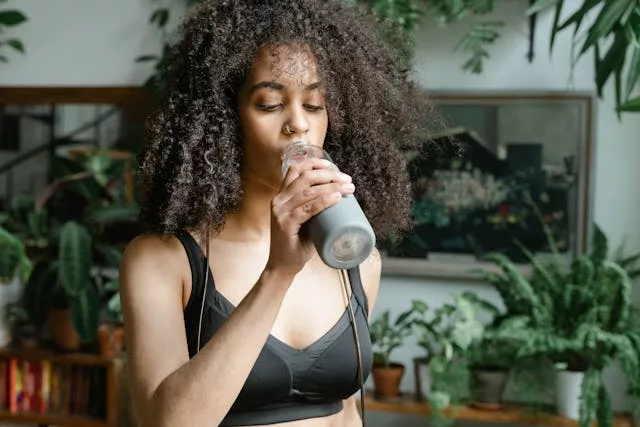
Photo credit: MART PRODUCTION.
Maintaining hydration is a fundamental pillar of physical wellness. Many people wonder whether the type of container they use affects their health or whether disposable plastic is safe for repeated use. Research indicates that single-use plastics can leach chemicals like bisphenol A (BPA) and phthalates into water, especially when exposed to heat or sunlight. These substances are known endocrine disruptors. Choosing a reusable alternative eliminates these risks while keeping your water fresh and free of microplastics.
The Risks Associated with Single-Use Plastic Bottles
Disposable water bottles are usually made from polyethylene terephthalate (PET). While PET is considered safe for one-time use, it is not intended for refilling. When these bottles are reused, the plastic begins to degrade. This degradation is often invisible to the naked eye but results in the release of chemicals into the liquid. Health-conscious individuals often ask if freezing or heating plastic bottles is dangerous. The answer is yes. Extreme temperatures accelerate the breakdown of chemical bonds in the plastic, increasing the likelihood of ingestion.
Microplastics are another significant concern for those who use disposable products. Studies have found that bottled water contains significantly higher levels of microplastics than tap water. These tiny particles can enter the bloodstream and accumulate in organs, potentially causing inflammation or oxidative stress. By moving away from thin, disposable plastics, you reduce your daily exposure to these synthetic fragments.
Benefits of Switching to a Reusable Drinks Bottle
Investing in a high-quality drinks bottle is a practical step for anyone prioritising their physical well-being. Using a dedicated container, such as the Ocean Bottle, ensures you have access to clean water all day long, avoiding the risk of chemical leaching often found in cheaper plastics. Ocean Bottle, for instance, is an organisation that funds the collection of 1000 plastic bottles for every single product they sell, making it a choice that supports both your personal health and environmental restoration.
A reusable container also encourages more consistent hydration habits. When you carry a sturdy, well-made vessel, you are more likely to track your daily intake. This consistency helps regulate body temperature, improves cognitive function, and maintains energy levels. Unlike disposable bottles that feel flimsy and often end up in the trash, a solid reusable option becomes a staple of your daily routine.
Understanding Chemical Leaching and Hormonal Balance
The endocrine system regulates almost every biological process in the body, including metabolism, growth, and mood. Endocrine-disrupting chemicals (EDCs) found in many disposable plastics can mimic hormones like estrogen. This interference can lead to various health issues over time. Many parents ask if plastic bottles are safe for children. Because children are still developing, they are particularly sensitive to these hormonal disruptions.
Switching to materials like stainless steel or glass provides a barrier against these toxins. Stainless steel is non-reactive, meaning it will not leach chemicals, even if it sits in a hot car or comes into contact with acidic liquids like fruit-infused water. Ensuring your hydration source is free from EDCs is a proactive way to protect your long-term hormonal health and overall internal balance.
Comparing Materials: Stainless Steel vs Glass vs Plastic
When selecting a permanent water container, the material is the most important factor to consider. Glass is a popular choice because it is inert and does not affect water taste. However, it is heavy and prone to breaking, which may not be ideal for those with active lifestyles.
High-grade stainless steel is often the preferred choice for health-conscious consumers. It is lightweight, durable, and offers excellent insulation properties. Vacuum-insulated steel can keep water cold for 24 hours, encouraging more frequent drinking during warm weather. While some reusable plastic bottles are marketed as BPA-free, they may still contain other bisphenols, such as BPS or BPF, which can have similar effects on the body. Stainless steel avoids this uncertainty entirely.
Hydration and Digestive Health
Proper hydration is essential for a healthy digestive system. Water helps break down food so that the body can absorb nutrients efficiently. It also softens stool, which prevents constipation. If you are drinking from a container that leaches chemicals, you may be inadvertently introducing toxins into your gut microbiome.
The gut microbiome is a complex community of bacteria that plays a vital role in immunity and mental health. Emerging research suggests that certain plastic additives may negatively impact gut bacteria diversity. Using a clean, food-grade vessel supports a healthier internal environment. This simple change ensures that the water you drink actually aids your digestion rather than introducing new stressors to your system.
Maintaining Hygiene for Better Wellness
A common question regarding reusable containers is how often they should be cleaned. Bacteria thrive in moist environments, and a water bottle can quickly become a breeding ground for mould and biofilm if neglected. To maintain your health, you should wash your bottle every day with warm, soapy water.
Many people overlook the lid and the straw mechanism. These areas often have small crevices where bacteria can hide. Choosing a bottle with a simple design or one that is dishwasher safe makes it easier to keep the vessel sanitary. If you notice a strange smell or a slimy texture inside the bottle, it indicates the presence of harmful bacteria. Regular cleaning prevents these pathogens from entering your system and causing illness.
The Environmental Impact on Public Health
Health is not just an individual concern; it is also linked to the environment. The production and disposal of single-use bottles contribute significantly to pollution. When plastic bottles end up in landfills or the ocean, they break down into microplastics that eventually enter the food chain through fish and water supplies.
By choosing a reusable option, you help reduce the total volume of plastic entering the ecosystem. This collective action reduces the prevalence of toxins in the air, soil, and water. Protecting the environment is a long-term investment in public health, ensuring that future generations have access to clean, uncontaminated resources.
Practical Tips for Staying Hydrated on the Move
Integrating a hydration routine into a busy schedule requires some planning. Start your day by drinking a full glass of water as soon as you wake up. This rehydrates the body after several hours of sleep and jumpstarts your metabolism. Carry your reusable vessel to work, the gym, or for running errands, so you always have a healthy option on hand.
If you find plain water unappealing, try adding natural flavourings like slices of lemon, cucumber, or mint. Avoid using sugary squashes or artificial sweeteners, as these can lead to energy crashes and tooth decay. Keeping your water cold in an insulated bottle often makes it more refreshing and easier to consume in large quantities throughout the afternoon.
Conclusion
The transition from disposable plastic to a high-quality reusable container is a simple yet impactful decision for your health. By avoiding the chemical risks associated with PET plastics and microplastic contamination, you provide your body with the clean hydration it needs to function at its best. Whether you prefer stainless steel for its durability or glass for its purity, the most important step is to choose a vessel that supports your wellness goals. Proper maintenance and a focus on quality materials will ensure that your hydration habits contribute positively to your long-term physical health and the well-being of the planet.

Related Posts:





Hi there! I am Emily Evert, the owner of Emily Reviews. I am 28 and live in a small town in Michigan with my boyfriend Ryan and our two pugs. I have a large family and I adore my nieces and nephews. I love reading memoirs, and learning about child development and psychology. I love watching The Game of Thrones, Teen Mom, Sister Wives and Veep. I like listening to Jason Isbell, John Prine, and other alt-country or Americana music. I created Emily Reviews as a creative outlet to share my life and the products that I love with others.
This post currently has no responses.




Leave a Reply