
This is a sponsored guest post. All opinions are my own.
How to Choose the Right Indoor Plant for Light, Space, and Lifestyle
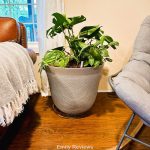
Choosing an indoor plant is less about personal taste than it is about environmental fit. Most plant problems don’t stem from neglect — they stem from putting the wrong plant in the wrong place. Before buying, take an honest look at light, space, humidity, and maintenance needs. Anyone drawn to a huge indoor plant should first confirm that their room can realistically handle the light requirements, floor footprint, and ongoing care that a large plant demands.
Start with Your Space, Not the Plant
The most common mistake is falling for a plant before assessing the room it would actually live in. Ceiling height and available floor area directly determine which plants belong in a space. A tall, spreading Fiddle Leaf Fig can overwhelm a narrow hallway; a compact Snake Plant fits almost any corner.
Before settling on a plant, identify the exact placement: think about traffic flow, furniture clearance, and proximity to windows. A living room corner beside a south-facing window can support very different plants than a dim bedroom shelf. Match the plant’s scale to the function of the space — a statement plant anchors an open living area, while something smaller and softer suits a workspace or bedroom.
Understand Light Before You Buy
Light is the single most important variable in plant selection. The three main categories — bright indirect light, medium light, and low light — describe how much usable energy actually reaches the plant.
“Low light tolerant” does not mean "no light." Every plant needs some usable light to survive long term, and a plant labeled low-light will still struggle in a windowless interior room. To gauge real light levels, observe the space at different times of day. Note the window direction, any obstructions like curtains or overhangs, and how far natural light actually penetrates into the room.
Choose Plants Based on Maintenance Level
Low-maintenance plants — ZZ plants, pothos, cast iron plants — suit busy households because they tolerate irregular watering and bounce back from minor neglect. These are genuinely beginner-friendly choices.
Higher-demand plants like Calatheas or orchids require consistent humidity, careful moisture management, and attentive placement. They’re best suited for experienced growers with stable routines. The honest question to ask yourself is: what does your actual schedule look like — not your ideal one?
Consider Growth Habit, Not Just Initial Size
A plant’s current pot size tells you very little about its future dimensions. Fast-growing species like Monstera deliciosa can double in size within a single growing season, requiring repotting and regular pruning. Slow-growing plants like Sansevierias stay manageable for years without much intervention.
Growth form matters too. Upright plants work well in floor corners; trailing varieties suit shelves and hanging placements; bushy forms fill mid-level gaps nicely. One large plant used as a focal point in an open room can be more effective — and far easier to maintain — than several smaller ones scattered around.
Evaluate Humidity, Temperature, and Daily Conditions
Indoor environments shift constantly with heating and cooling systems. Plants placed near radiators, air vents, or drafty doors experience stress that no amount of watering or light can fully offset. Temperature stability and adequate humidity matter just as much as any watering routine.
|
Watch for diagnostic signals: drooping, browning leaf edges, slow growth, or sudden leaf drop often point to an environmental mismatch rather than a watering error.
Use the Right Pot, Soil, and Drainage
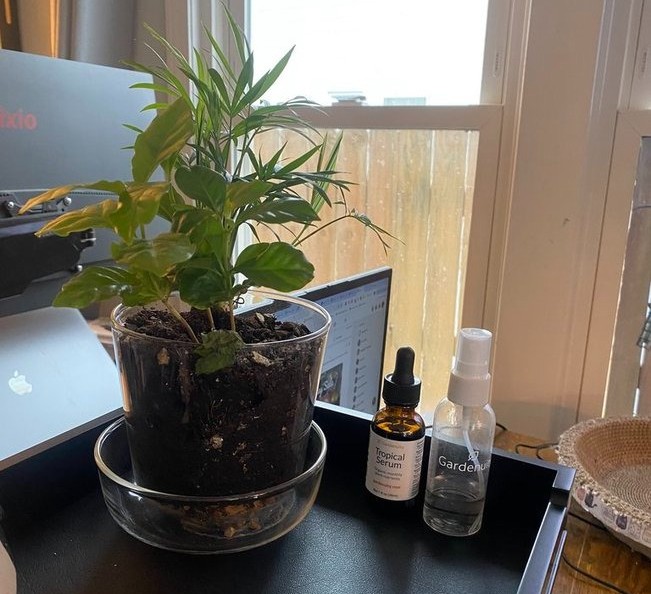
Drainage is non-negotiable. Without it, excess water pools at the root zone and causes rot. Decorative pots without drainage holes should always contain a functional inner pot. Larger plants need heavier, more stable containers to prevent tipping. Soil mix should match the plant type. Succulents need fast-draining, gritty blends; tropical foliage plants prefer moisture-retentive but well-aerated mixes. Using the wrong soil undermines even the most attentive care.
Key Takeaway: Before buying any indoor plant, answer four questions: How much light is available? How much space is there? How much care can I realistically provide? Do I want a feature plant or a subtle accent? Answer these honestly, eliminate the poor matches, and then
choose for the environment first.
Common Mistakes to Avoid
● Buying for looks alone without checking light or space compatibility
● Ignoring mature size, which leads to overcrowding within months
● Overwatering on a fixed schedule rather than responding to actual soil moisture
● Light mismatch, which remains the most common and most preventable cause of indoor plant decline
Brief Care Guidance After Purchase
Give a new plant time to acclimate before adjusting its placement. A new environment affects both light absorption and moisture uptake. Monitor the plant for two to three weeks before making changes — observe rather than overcorrect. A simple routine of checking soil moisture, light exposure, and leaf condition covers most of what a healthy plant needs.
Choose for the Environment, Then Enjoy the Plant
The best indoor plant is simply the one that fits the room it lives in and the routine of the person caring for it. Prioritize space, light, maintenance, and long-term growth in that order, and most common problems become avoidable before they start. A useful exercise: assess one room before making any purchase — note the light, measure the floor area, and decide where the plant would actually live. That single step eliminates most mismatches before they happen.

Related Posts:


Hi there! I am Emily Evert, the owner of Emily Reviews. I am 28 and live in a small town in Michigan with my boyfriend Ryan and our two pugs. I have a large family and I adore my nieces and nephews. I love reading memoirs, and learning about child development and psychology. I love watching The Game of Thrones, Teen Mom, Sister Wives and Veep. I like listening to Jason Isbell, John Prine, and other alt-country or Americana music. I created Emily Reviews as a creative outlet to share my life and the products that I love with others.
This post currently has no responses.




Leave a Reply