The uterus rarely gets attention outside of pregnancy conversations. Yet its health touches nearly every system in the body, from hormones and immunity to heart health and mental well-being.
Uterine disorders, whether fibroids, endometriosis, or a uterine septum, don’t just make conception harder. Read on to find out exactly how these conditions shape a woman’s fertility and long-term health.
The Fertility Connection
Each disorder disrupts conception differently, and the mechanisms go deeper than most people realize. For instance, uterine fibroids distort the uterine cavity and reduce blood flow to the endometrium. Submucosal fibroids, in particular, create an environment where embryo implantation becomes very difficult. Polyps can do the same, secreting substances that interfere with embryo receptivity even when they’re small.
Meanwhile, endometriosis triggers chronic inflammation, damaging egg quality through inflammatory cytokines. Endometrium-like tissue outside the uterus can scar the fallopian tube, potentially affecting natural conception. A uterine septum, on the other hand, restricts blood supply to the embryo, causing recurrent miscarriage.
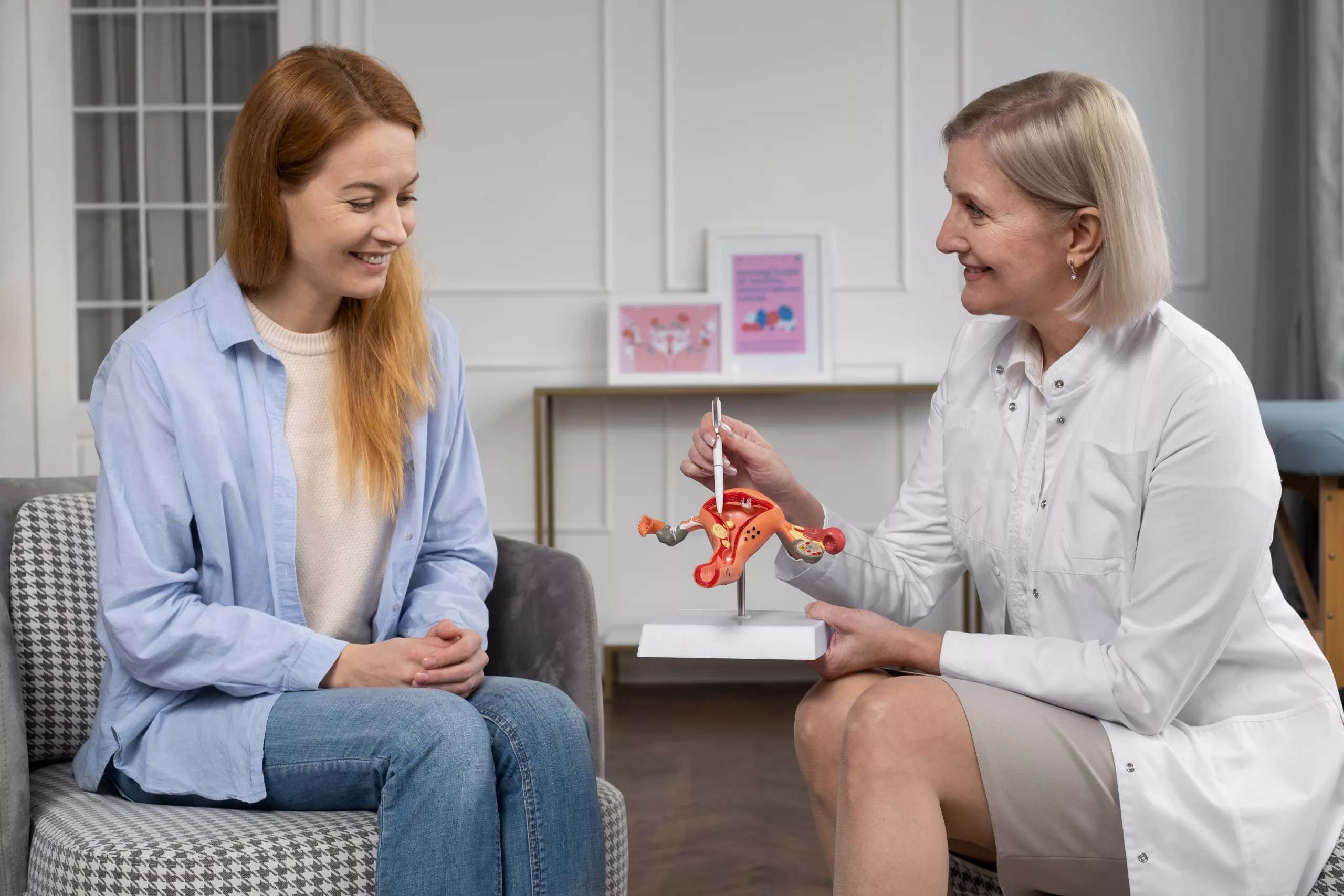
Conditions like ovarian cysts can compound fertility challenges alongside uterine disorders. Exploring fibroids in uterus treatment options often starts with imaging tests, such as magnetic resonance imaging (MRI) or ultrasound, to assess size and location. From there, a doctor can recommend management strategies that suit your reproductive goals.
What makes fertility outcomes harder to predict is the endometrial microbiome. Uterine disorders alter the bacterial balance inside the uterus, and that imbalance independently affects implantation success. That’s something most fertility conversations don’t even touch on. Some women with severe disorders can still conceive naturally, while others with mild cases struggle greatly. Symptom severity doesn’t always predict fertility impact.
Hormonal Disruption Beyond the Uterus
Uterine fibroids and endometriosis are estrogen-dependent conditions, but they don’t just respond to estrogen. Hormonal imbalances worsen when these disorders produce their own local estrogen and interfere with normal hormonal clearance. Adenomyosis thickens the uterine wall, disrupting hormonal signaling across the menstrual cycle.
The downstream effects extend further than most expect. Tracking hormone levels regularly can help reveal these shifts early:
Thyroid function can become compromised.
Insulin sensitivity may drop.
Cortisol regulation shifts in response to chronic pain and inflammation.
These comorbidities appear frequently alongside endometriosis, yet they’re rarely framed as hormonal consequences of the disorder itself.
There’s also the ovary-brain connection to consider. Birth control pills are sometimes prescribed to regulate these hormonal disruptions. However, they address symptoms rather than root causes. Chronic pain and hormonal fluctuations activate stress response pathways, altering how the brain regulates the hypothalamic-pituitary-ovarian (HPO) axis. That disruption feeds back into the hormonal disorder, creating a self-reinforcing cycle.
The Immune System Factor
Endometriosis isn’t purely structural. Increasingly, researchers see it as immune dysregulation, where normal cells fail to clear displaced tissue. That ongoing immune activation doesn’t stay localized. It ripples outward.
Pelvic inflammatory disease and sexually transmitted infections can further aggravate immune dysfunction in women already managing uterine conditions. Whether the disorders cause immune dysfunction or vice versa is still debated, but the pattern is consistent. Fibroids, for their part, also alter natural killer (NK) cell activity, which is critical for successful implantation.
Laparoscopic surgery can address severe immune-related complications in advanced endometriosis cases. Uterine disorders can compromise immune tolerance, quietly driving infertility and recurrent pregnancy loss.
Long-Term Health Risks
The long-term consequences of these conditions stretch well into the future. Uterine diseases left unmanaged raise the risk of cardiovascular complications, and early diagnosis significantly improves outcomes across the board. Endometriosis raises cardiovascular disease risk, and early hysterectomy accelerates arterial changes.
Pregnancy Challenges
Pregnancy complications are a serious concern, as preterm birth and placental problems become more likely. Hormonal suppression therapy lowers estrogen, reducing bone mineral density and raising osteoporosis risk.
Mental Health Impact
Mental health carries its own weight here. A pelvic exam might seem routine, but for women with chronic pelvic pain, even that can be distressing. Pain medicine is frequently relied upon to manage day-to-day symptoms, though it rarely addresses the underlying condition.
Effect on Career
One angle that rarely comes up is the occupational toll. Endometrial cancer risk rises in women with untreated hormonal imbalances or abnormal uterine bleeding. Pink discharge between periods can also signal abnormal uterine activity worth investigating early. Productivity loss and career interruption rarely make it into long-term health discussions, yet they should.
Why Treatment Matters
Medical treatments that combine pain management with hormonal and surgical approaches tend to produce better long-term results. Sexually transmitted infections, when left untreated, can also worsen pelvic pain and complicate existing uterine conditions. Central sensitization rewires how the brain processes pain, making this neurological, not just psychological.
To Wrap Up
Uterine disorders ripple far beyond the reproductive system. Heart health, immunity, and brain function all feel the weight of these conditions.
Earlier diagnosis and care models that bring gynecology, endocrinology, and immunology together can change outcomes significantly. Understanding these connections is, ultimately, how better health decisions get made.
Hi there! I am Emily Evert, the owner of Emily Reviews. I am 28 and live in a small town in Michigan with my boyfriend Ryan and our two pugs. I have a large family and I adore my nieces and nephews. I love reading memoirs, and learning about child development and psychology. I love watching The Game of Thrones, Teen Mom, Sister Wives and Veep. I like listening to Jason Isbell, John Prine, and other alt-country or Americana music. I created Emily Reviews as a creative outlet to share my life and the products that I love with others.









Leave a Reply