
This is a sponsored guest post.
Turn Your Bathroom Into a Daily Retreat: Smart Upgrades for Fort Wayne Homes
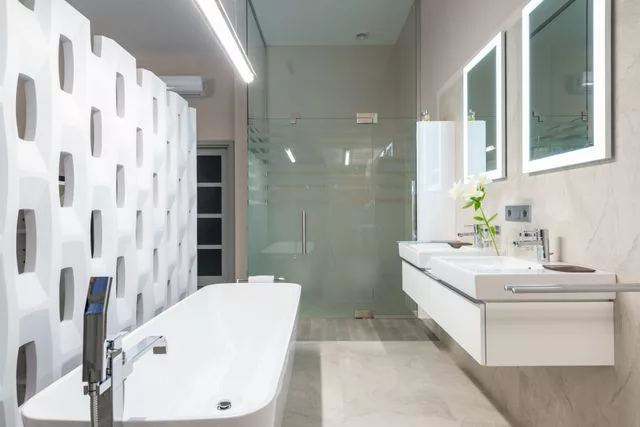
For homeowners in Fort Wayne, Indiana, the bathroom is more than a functional space—it is where busy mornings begin and where long days often wind down. When the room feels cramped, cluttered, poorly lit, or difficult to maintain, those small frustrations can affect your routine every day. The right upgrades can turn an outdated bathroom into a more comfortable, organized, and relaxing part of your home.
A successful remodel does not have to rely on oversized spaces or expensive luxury features. Better lighting, practical storage, durable surfaces, improved ventilation, and a smarter layout can make a noticeable difference. Whether you are refreshing an older Fort Wayne property or updating a newer home to better suit your household, thoughtful improvements can create a bathroom that is easier to use, simpler to clean, and more enjoyable from morning to night.
Why Remodel Now
Most homeowners do not decide to remodel because they suddenly care about tile patterns. They remodel because the bathroom is no longer working well. The layout may feel outdated, storage may be lacking, or the room may take too much effort to maintain. When a bathroom no longer supports your routine, it affects the start and end of every day.
Remodeling also lets you address issues before they become more expensive. Worn surfaces, poor ventilation, and aging plumbing rarely get better on their own. In most Fort Wayne bathroom remodels, comfort and function are the first priority. A well-planned remodel should make the space easier to use, easier to maintain, and better matched to how your household lives.
Start with Pain Points
Before picking colors, fixtures, or finishes, identify what is not working in the current bathroom. This step is easy to skip, but it is one of the most important parts of the process. Pay attention to your daily routine and note what feels awkward, inconvenient, or frustrating.
The most common problems usually reveal themselves quickly. The vanity may be too small for everyday items. Lighting may be too dim for shaving, grooming, or makeup. An old bathtub may be difficult to step into, or the flooring may make the room feel dated even when it is clean.
Storage is another major issue in many bathrooms. If towels, toilet paper, and personal care products do not have a proper place, clutter becomes a constant problem. Once you know which pain points matter most, you can direct your budget toward upgrades that improve daily life instead of features that only look impressive.
Choose comfort first
Comfort-focused upgrades are often the ones homeowners appreciate most after the remodel is complete. A better shower is a good example. More elbow room, easy-to-reach controls, built-in shelving, and a handheld showerhead can make showering much more convenient. The shower does not need to be dramatic to feel like a major improvement. It simply needs to work well.
Ventilation is another upgrade with a direct effect on comfort. A quality exhaust fan removes moisture, reduces that damp feeling after showers, and helps protect paint, trim, and walls from long-term damage. Better airflow also makes the room feel fresher overall.
Design choices can also support comfort. Softer lighting, warmer finishes, and calm colors can make the bathroom feel more welcoming. If anyone in the household needs easier access, wider layouts, low-threshold showers, or grab bars can improve safety and usability without making the room feel clinical.
Storage contributes to comfort as well. When the things you use most are easy to reach and simple to put away, the bathroom feels more organized and less stressful every day.
Pick Lasting Materials
Bathrooms face constant moisture, heavy use, and frequent cleaning, so material selection matters. If a surface looks beautiful but stains easily, scratches quickly, or is difficult to maintain, it may become a source of regret. A good bathroom should not only look appealing when finished but also hold up over time.
Easy-clean materials are often the smartest investment. Quartz countertops remain popular because they are durable and low maintenance. For flooring, moisture-resistant options such as porcelain tile or quality luxury vinyl perform well in bathroom conditions and stand up to wet feet and daily traffic.
Slip resistance is also worth considering, especially for floors. Textured surfaces can improve safety without sacrificing style. Visually, simpler materials often age better than highly specific trends. Neutral flooring and classic wall tile tend to remain attractive for years.
Hardware and metal finishes should be chosen with daily use in mind too. Water spots, fingerprints, and cleaning requirements all affect how enjoyable a finish is to live with. The best choice is one that fits your style while matching the level of maintenance you are willing to handle.
Make Small Spaces Work
A small bathroom does not have to feel cramped. With smart design choices, even a compact room can feel open and efficient. Start by identifying the features that take up the most visual or physical space. Bulky vanities, oversized mirror frames, and awkward door swings can make a bathroom feel tighter than it needs to be.
Wall-mounted storage is especially useful in smaller spaces. Shelves above the toilet, recessed shower niches, and medicine cabinets add storage without using valuable floor area. A larger mirror can also help by reflecting light and making the room feel wider.
Lighter colors generally help compact bathrooms feel less closed in. Fixtures with clean lines and a smaller footprint can reduce visual clutter. If possible, a glass shower door can open up sightlines better than a curtain and make the room feel less divided.
The goal in a small bathroom is not just to fit everything in. It is to create a layout that feels practical, comfortable, and easy to move through.
Budget with Purpose
A bathroom budget works best when you decide early what matters most. It is easy to get distracted by luxury features such as heated floors, rainfall showerheads, or high-end vanities. Those extras can be appealing, but they should not come at the expense of improvements that affect everyday function.
A useful approach is to divide your wish list into must-haves and nice-to-haves. Must-haves include upgrades that solve real problems, such as poor lighting, weak ventilation, damaged flooring, limited storage, or a shower that is difficult to use. Nice-to-haves can still be added if the budget allows, but they should not replace the basics.
It is also wise to leave room for unexpected costs. Older bathrooms often hide issues such as water damage, plumbing wear, or subfloor problems. Planning for surprises helps keep the project manageable if something is uncovered during demolition.


Related Posts:

Hi there! I am Emily Evert, the owner of Emily Reviews. I am 28 and live in a small town in Michigan with my boyfriend Ryan and our two pugs. I have a large family and I adore my nieces and nephews. I love reading memoirs, and learning about child development and psychology. I love watching The Game of Thrones, Teen Mom, Sister Wives and Veep. I like listening to Jason Isbell, John Prine, and other alt-country or Americana music. I created Emily Reviews as a creative outlet to share my life and the products that I love with others.
This post currently has no responses.



Leave a Reply