What Nursing Research Actually Changes for Your Health Care Experience
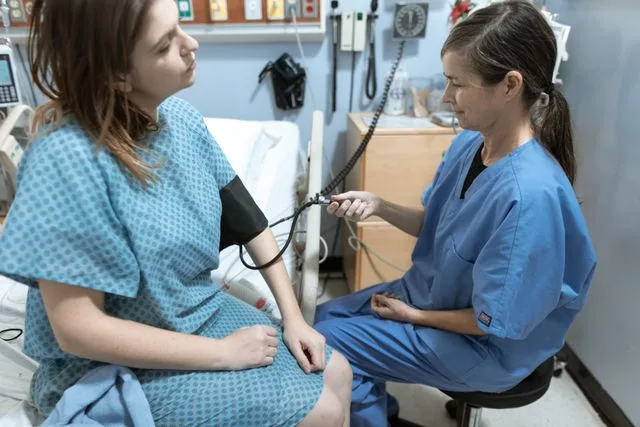
Image source: Pexels
If you’ve ever wondered why some hospitals seem more organized, safer, and better at helping patients recover, a lot of that comes back to research. In health and fitness spaces, people often focus on workouts, supplements, or diet trends. Nursing deserves a spot in that conversation too. Nurses are the people who catch problems early, notice patterns fast, and turn medical knowledge into daily care that affects you in very real ways.
Research Shapes the Care You Receive
When you go to a clinic, urgent care center, or hospital, you probably expect treatment to be based on solid evidence instead of guesswork. That expectation rests heavily on the importance of nursing research through stellar institutions like the University of North Carolina Wilmington. Nurses spend more time with patients than most other professionals in the care team, which gives them a front-row seat to what helps, what delays recovery, and what quietly causes complications.
Research turns those observations into usable improvements. It can influence pain management plans, fall prevention strategies, wound care routines, and discharge instructions. Small changes often lead to major outcomes.
Picture a nurse noticing that patients understand medication schedules better when instructions are broken into shorter steps. A research-backed version of that insight can improve adherence, reduce readmissions, and spare everyone a return trip that nobody wanted on the calendar.
Better Patient Safety Starts With Better Questions
Patient safety sounds like a broad phrase, but in practice it comes down to very specific issues. Are infections being prevented? Are medications being administered correctly? Are symptoms being recognized before they escalate? Those answers improve when nurses ask sharp questions and test solutions through nursing research.
This matters because nurses often spot risks before charts or lab reports tell the full story. A patient may seem more confused than usual. A wound may look slightly different. A person recovering from surgery may show subtle signs of distress. Research helps nurses connect those observations to evidence-based action.
In real settings, that can mean updating hand hygiene protocols, refining bedside communication methods, or improving how shift changes are handled. None of that sounds flashy, yet it can prevent errors, reduce complications, and make health care feel less like organized chaos.
It Improves Health Outcomes Beyond the Hospital
Nursing research doesn’t stop at hospital doors. It also affects home health care, rehabilitation, mental health support, school nursing, and community wellness programs. If you’re managing a chronic condition, recovering after surgery, or helping a family member navigate care at home, these findings show up in practical ways.
For example, research may reveal that patients with diabetes do better when nurses use more personalized education instead of generic instruction sheets. Another study might show that follow-up calls within a certain time frame reduce emergency visits after discharge.
That kind of evidence matters for everyday people, not just medical journals gathering digital dust. It helps improve care plans for asthma, heart disease, maternal health, and preventive screenings. You feel the impact through clearer communication, smarter interventions, and fewer avoidable setbacks during recovery.
Nurses Help Turn Data Into Human-Centered Care
Medicine can get very technical, very quickly. Numbers, charts, metrics, protocols, outcomes. Useful, yes. Comforting, not always. One of the strongest parts of nursing research is how it blends data with the lived experience of patients.
A nurse might study why some patients skip follow-up appointments, not simply how many miss them. Cost, transportation, work schedules, fear, confusion, and language barriers can all affect outcomes. Research that includes those realities leads to care that fits real life instead of an idealized version of it.
That’s a major reason evidence-based practice matters so much in nursing. The goal isn’t only efficiency. The goal is care that people can actually follow, understand, and trust.
When nurses bring research into practice, they often improve communication, cultural sensitivity, patient education, and treatment adherence. Those are not side issues. They’re central to whether care works.
Education and Professional Growth Depend on Research
Strong nursing practice doesn’t stay frozen in time. Health care changes too fast for that. New technologies, updated treatment standards, emerging diseases, and changing patient populations all require nurses to keep learning.
Research plays a huge role in nursing education because it teaches future nurses how to think critically, assess evidence, and avoid relying on outdated routines. That matters whether a nurse works in emergency medicine, pediatrics, oncology, surgery, or public health.
For registered nurses looking to advance their education, research-focused learning can sharpen both clinical judgment and leadership skills. Programs that build this foundation help nurses evaluate studies, apply findings responsibly, and contribute to quality improvement inside their workplaces.
That professional growth benefits patients too. A nurse who understands current evidence can advocate more effectively, communicate more precisely, and make more informed decisions under pressure, which is not exactly a rare event in health care.
Research Supports Smarter Systems, Not Just Individual Decisions
It’s easy to think of research as something that helps one nurse make one better choice. It also works on a higher level. Hospitals, clinics, and health systems use nursing research to improve staffing models, streamline workflows, and design better patient care policies.
If a facility wants to reduce burnout, improve bedside response times, or lower rates of pressure injuries, it needs more than good intentions. It needs evidence. Nursing research can show which interventions are realistic, cost-effective, and sustainable in actual care environments.
This system-level impact matters to you even if you never see the boardroom where decisions happen. Better staffing practices can mean more attentive care. Better workflow design can mean fewer delays. Better discharge planning can mean less confusion once you get home.
Health care is full of moving parts, and research helps keep them from colliding quite so often.
What You Can Take From It as a Patient or Future Nurse
You don’t need to work in health care to care about nursing research. If you’re a patient, it helps you ask smarter questions. Is this treatment based on current evidence? Are there nursing strategies that improve recovery, pain control, or self-management? Good care welcomes those questions.
If you’re considering nursing as a career, research is worth taking seriously from the start. It gives the profession more authority, improves patient advocacy, and keeps practice grounded in evidence instead of habit.
Nursing has always involved compassion and skill. Research adds another layer: proof. That combination is what makes modern nursing such a powerful force in health care.
When nurses investigate patterns, test better methods, and apply evidence thoughtfully, your care gets safer, clearer, and more effective. For a field built on helping people through vulnerable moments, that’s not an academic extra. It’s part of the job at its best.
Hi there! I am Emily Evert, the owner of Emily Reviews. I am 28 and live in a small town in Michigan with my boyfriend Ryan and our two pugs. I have a large family and I adore my nieces and nephews. I love reading memoirs, and learning about child development and psychology. I love watching The Game of Thrones, Teen Mom, Sister Wives and Veep. I like listening to Jason Isbell, John Prine, and other alt-country or Americana music. I created Emily Reviews as a creative outlet to share my life and the products that I love with others.









Leave a Reply