How to Build a Beauty Routine Without Buying Everything You See
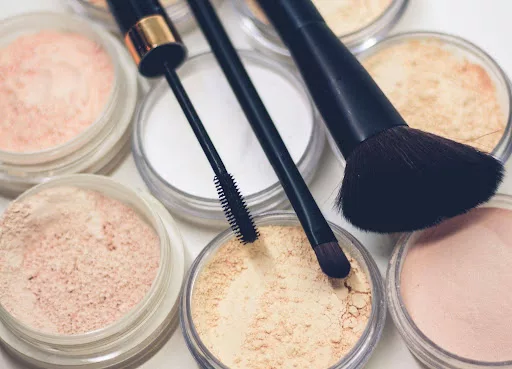
Photo by Rosa Rafael on Unsplash
Beauty shopping has never offered more choices. A new serum promises brighter skin, a treatment claims to simplify an entire routine, and another lash or hair product appears just as soon as the last one becomes popular.
The problem is not finding something new to try. It is deciding whether that product genuinely adds anything useful.
A better beauty routine is rarely the one with the most bottles, tools, and treatments. It is one built around clear goals, products that work well together, and enough consistency to judge whether something is actually helping. Before adding another trending product to the shelf, slow the decision down and look at what it would realistically change.
Start With the Problem You Actually Want to Solve
Beauty products become much easier to evaluate when there is a specific reason for buying them.
Instead of starting with a viral ingredient and wondering where it could go in the routine, identify the concern first. Someone researching different skincare ingredients, treatments, and beauty approaches can usehttps://tmates.com/ as one place to explore options before deciding what genuinely deserves a place in the routine.
The same principle applies beyond skincare. If lashes already look the way someone wants them to, adding several new lash products simply because they are popular may create more complexity without much benefit. If hair feels healthy but styling takes too long, the useful purchase may be a tool that saves time rather than another conditioning treatment.
Define the problem before shopping. It immediately eliminates many products that may be good in general but unnecessary for that particular routine.
Look at What Is Already on the Shelf
A new product should never be judged completely on its own.
Before buying it, look at everything already being used. Does another product serve almost the same purpose? Would the new addition require changing several established steps? Is there actually enough time to use it consistently?
Duplicate products are especially easy to accumulate in skincare. Several serums may all target brightness or hydration while using different marketing languages. Owning all of them does not necessarily create a better routine.
Frequency matters too. A treatment designed for occasional use can be easy to accommodate. Another five-minute step every morning may be less realistic if the routine already feels rushed.
A product that works only when someone follows a routine they dislike will probably not remain part of that routine for long.
Decide Whether a Product Makes the Routine Better or Just Bigger
Beauty products earn their place when they improve results, make something easier, or solve a problem that existing products are not handling particularly well.
This becomes especially important with lash products, where adding more steps is not automatically an improvement. Brands such asPLA Pro offer products and tools for lash routines, giving both professionals and beauty enthusiasts options to choose around the specific result they want rather than simply adding whatever is newest.
The useful question is what the new addition changes. Does it improve application? Does it make the finished look more consistent? Does it replace something less convenient?
If the answer is unclear, the product may simply be creating another step.
That does not mean every purchase needs to be strictly practical. Beauty should still be enjoyable. But there is a difference between experimenting with something interesting and repeatedly buying products that perform nearly identical jobs.
Introduce One Major Change at a Time
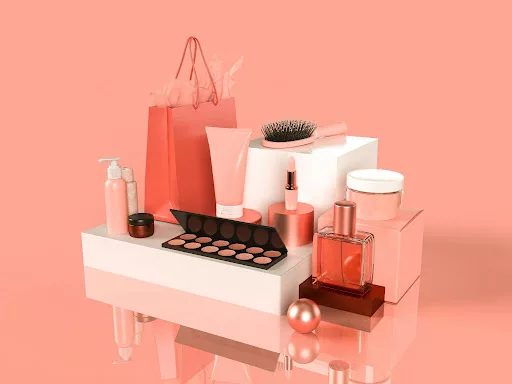
Photo by Clearcut Derby on Unsplash
Buying several new beauty products together can be exciting, but it creates a basic problem: if something improves or causes irritation, it becomes difficult to know which product was responsible.
Adding products gradually makes the routine much easier to assess.
Give a new addition enough time to become part of the normal routine before introducing another significant change. This is especially useful with skincare, where visible results may not appear immediately.
The same logic works with hair and makeup. If three styling products change at once, identifying which one improved the finish becomes guesswork. If a new primer, mascara, and lash product all arrive together, it becomes harder to determine what actually deserves repurchasing.
Trying products more slowly may feel less exciting than a complete routine overhaul, but it provides much better information about what genuinely works.
Look Beyond the Claims on the Packaging
Beauty marketing is designed to make products sound transformative. Words such as smoothing, brightening, repairing, strengthening, and renewing can appear across several different products that ultimately perform similar roles.
Look past the headline claim and consider what the product is actually designed to do.
Ingredients matter in skincare. Application method matters in makeup. Hold, texture, finish, and ease of removal can matter with lashes or hair products. The details should line up with the result someone actually wants.
Reviews can help, but context matters there too. A product that works beautifully for one hair type, skin type, or beauty routine may not produce the same experience for someone else.
It is usually more useful to look for patterns across reviews than to treat one enthusiastic recommendation as proof that a product is essential.
Stop Assuming More Expensive Means More Useful
Premium beauty products can absolutely justify their price, but cost alone does not determine value.
A more useful way to judge a purchase is by how often it gets used and what it replaces. A relatively expensive tool used several times every week may offer far better value than an inexpensive product that sits untouched after the first few attempts.
Cost per use can reveal a lot. Packaging size, expected lifespan, the amount needed each time, and whether the product replaces another purchase all change the calculation.
Repurchasing is another useful test. When something runs out, would its absence immediately be noticeable?
Products that trigger an easy “yes” are often the strongest parts of a routine. If several alternatives already on the shelf could take over without much difference, the product may not have been especially important.
Give the Routine Permission to Stay Simple
Beauty marketing constantly creates the feeling that something is missing.
There will always be another ingredient, device, treatment, or technique gaining attention. A routine does not need to expand every time that happens.
Once the essentials are working, new products should have to justify their place. They should solve a problem, improve a result, make the routine easier, or provide enough enjoyment to be worth using regularly.
That still leaves plenty of room for experimentation. Trying new beauty products is part of the fun. The difference is between experimenting intentionally and accumulating products without knowing what each one contributes.
A useful routine is not measured by how many steps it contains. It is measured by how consistently those steps work.
When every product has a clear job, deciding what deserves to stay becomes much easier, and so does walking away from the next trend that offers nothing the routine actually needs.
Hi there! I am Emily Evert, the owner of Emily Reviews. I am 28 and live in a small town in Michigan with my boyfriend Ryan and our two pugs. I have a large family and I adore my nieces and nephews. I love reading memoirs, and learning about child development and psychology. I love watching The Game of Thrones, Teen Mom, Sister Wives and Veep. I like listening to Jason Isbell, John Prine, and other alt-country or Americana music. I created Emily Reviews as a creative outlet to share my life and the products that I love with others.








Leave a Reply