How to Tell If Your Roof Needs Repair or Full Replacement
Your roof usually stays out of sight and out of mind until a stain appears on the ceiling or a shingle lands in the yard after a storm. At that point, you’re not just thinking about home maintenance. You’re trying to avoid a very expensive domino effect. Knowing when a roof needs a repair and when it’s time for a full replacement can save you money, stress, and a few sleepless nights during heavy rain.
Pay Attention After Storms and Seasonal Changes
Storms have a way of speeding up roof problems that were already developing quietly. Hail can bruise shingles, high winds can loosen or tear them off, and heavy rain can expose weak flashing or aging underlayment. Snow and ice can create ice dams, which push water under shingles and into the home.
After major weather events, do a simple exterior check. Look for debris, fallen shingles, dented gutters, or granules collecting near downspouts. Seasonal temperature swings can also cause materials to expand and contract, which stresses older roofs.
If your neighborhood took a weather hit, it’s smart to get a professional inspection even if your roof seems fine. Companies such as West Pro handle residential roofing work and inspections, which can help you sort out whether damage is cosmetic, repairable, or severe enough to justify replacement.
Start With the Age of Your Roof
The age of your roof gives you a strong starting point. Most asphalt shingle roofs last around 20 to 30 years, though weather, ventilation, and installation quality can shorten that timeline. If your roof is creeping past the 20-year mark, you should pay closer attention even if it looks decent from the ground.
A newer roof with one damaged section often makes sense to repair. An older roof with recurring issues usually points toward replacement. Think of it like patching old sneakers. One fix might work for a while, but if the sole is coming off and the fabric is tearing, you’re past the quick-fix stage
Check your home records if you have them, and ask the previous owner if you don’t. Roof age matters more than many homeowners realize.
Look for Visible Shingle Damage
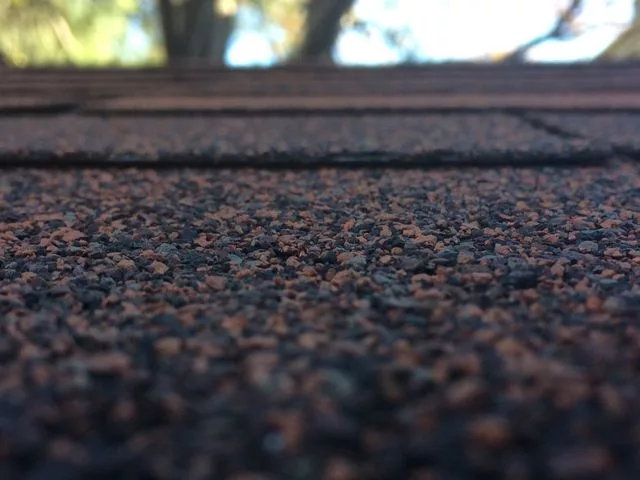
Shingles tell a pretty honest story when you know what to look for. Missing shingles, curling edges, cracked tabs, bald spots where granules have worn away, and dark streaking can all signal roof trouble. A few damaged shingles after a windstorm may only require a targeted repair.
Widespread damage is a different conversation. If large sections look uneven, brittle, or patchy, your roof system may be nearing the end of its service life. Granule loss is especially important because those granules help protect shingles from UV damage. Without them, the aging process speeds up.
You can inspect from the ground with binoculars or simply walk around the house and look carefully. No need to audition for a roofing reality show by climbing up there without proper safety gear.
Check Inside for Water Damage Clues
Your attic and ceilings can reveal roof problems long before you see major exterior failure. Water stains, peeling paint, musty smells, damp insulation, and visible mold can all point to a leak. Small leaks may come from flashing around vents, chimneys, or skylights, which are often repairable.
If you’re seeing repeated leaks in different rooms or after every heavy rain, the issue may be broader than one weak spot. Water intrusion can also travel, so the stain on your ceiling may not sit directly under the roof damage. That little mystery keeps roofers in business.
Use a flashlight to inspect your attic during the day. Look for sunlight shining through boards or damp areas near roof decking. If your attic feels humid and stale, poor ventilation may also be contributing to roof deterioration.
Compare the Cost of Repeated Repairs
A single repair usually costs less upfront than a full replacement, but repeated repairs can turn into a budget trap. If you’re calling a roofer every year for a new leak, blown-off shingles, or flashing issues, those costs add up fast. At some point, you’re feeding an old roof more money than it can reasonably earn back.
Ask for an honest estimate that compares short-term repair costs with the remaining life of the roof. If a repair buys you ten solid years, great. If it buys you ten shaky months, that’s a different deal.
It also helps to think about hidden costs. Leaks can damage insulation, drywall, framing, and flooring. A cheaper repair today can become a more expensive restoration project later if the underlying roof system is failing.
Consider Your Home’s Ventilation and Structural Condition
Not every roof problem starts with shingles. Poor attic ventilation can trap heat and moisture, which wears out roofing materials from underneath. Sagging rooflines, soft decking, and warped sheathing can signal structural issues that a surface repair won’t fix.
If your roof looks uneven or feels spongy in any section, replacement becomes more likely because the problem may involve the decking beneath the shingles. Moisture damage below the surface often spreads wider than it first appears.
Ventilation upgrades may be part of the solution too. A new roof installed over bad airflow conditions can age faster than it should. Good roofers look at the whole system, including intake and exhaust ventilation, flashing, underlayment, and drainage.
A roof is not just the shingles you see from the curb. It’s a layered system, and weak layers below the top surface can change the right decision completely.
Know When a Replacement Makes More Sense
Replacement usually makes more sense when your roof is old, damage is widespread, leaks are recurring, or repairs would cost a large percentage of a new roof. Many homeowners use the rough rule that if repairs approach a third of replacement cost on an aging roof, replacement deserves serious consideration.
A new roof can also improve energy efficiency, resale appeal, and insurance outcomes, depending on your policy and local market. Buyers tend to notice roof age quickly, and many don’t love the idea of inheriting a problem overhead.
If your roof has one isolated issue and the rest is in good condition, repair is often the practical move. If problems keep stacking up like unread notifications, replacement may be the cleaner and smarter long-term option.
The best next step is a professional inspection with photos, clear explanations, and options you can compare without pressure.
Final Thoughts Before You Decide
You don’t need to become a roofing expert to make a smart call, but you do need solid information. Start with age, inspect for visible damage, check inside for leak signs, and think realistically about how often repairs have been popping up. A roof that still has good years left deserves a well-done repair. A roof that is wearing out across the board deserves a replacement plan before water makes the decision for you.
If you’re unsure, get a detailed inspection and ask direct questions about lifespan, materials, ventilation, and repair value. Clear answers beat guesswork every time, especially when the next storm is already on the calendar.
Hi there! I am Emily Evert, the owner of Emily Reviews. I am 28 and live in a small town in Michigan with my boyfriend Ryan and our two pugs. I have a large family and I adore my nieces and nephews. I love reading memoirs, and learning about child development and psychology. I love watching The Game of Thrones, Teen Mom, Sister Wives and Veep. I like listening to Jason Isbell, John Prine, and other alt-country or Americana music. I created Emily Reviews as a creative outlet to share my life and the products that I love with others.










Leave a Reply