
This is a sponsored guest post.
How to Create a Safe, Comfortable Nursery for a New Baby
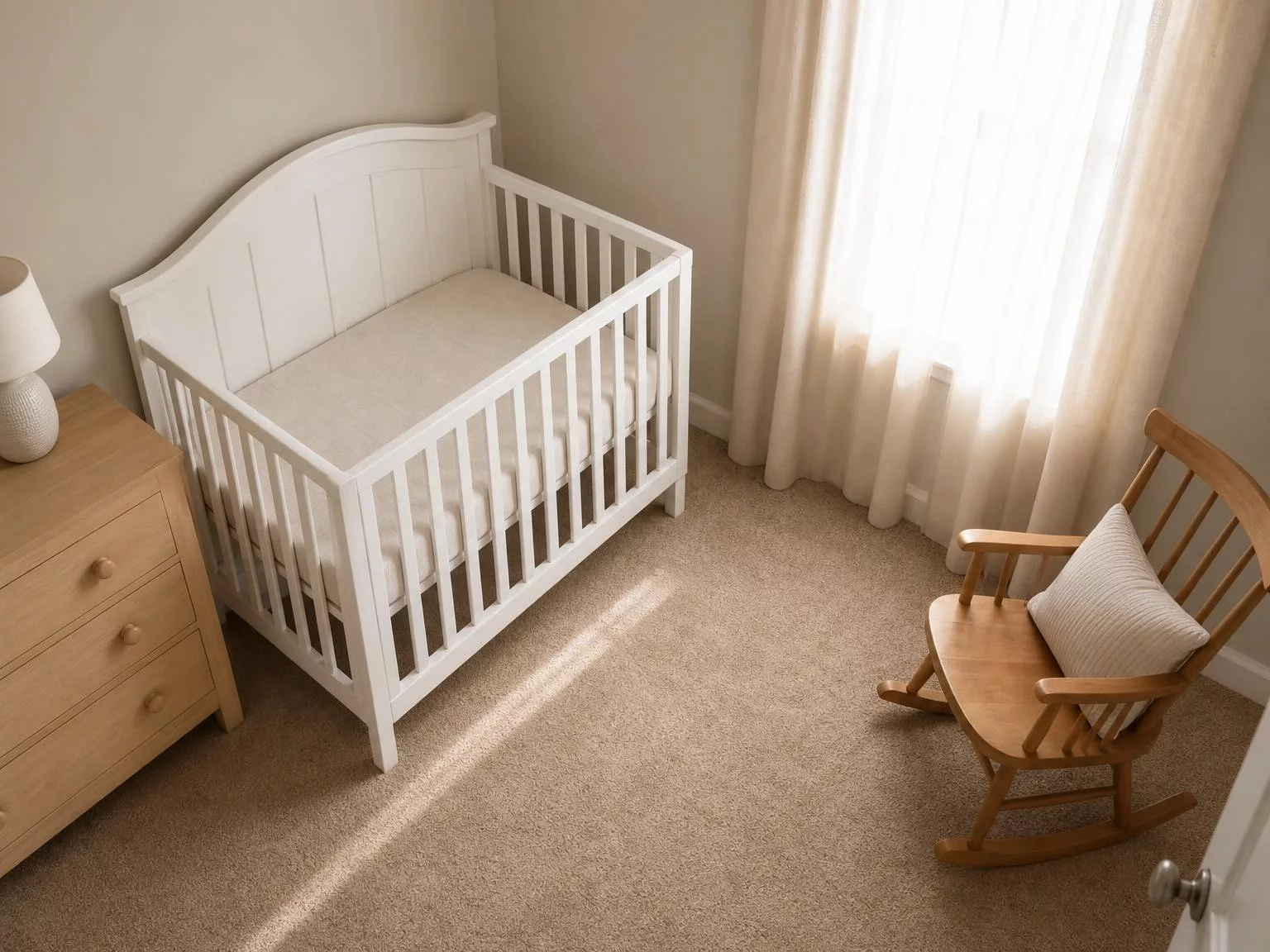
Designing a nursery is really an exercise in balancing comfort, safety, and simplicity. Many parents start by browsing nursery bedding, soft color palettes, and coordinated décor, picturing how the room will look and feel once it’s finished. That instinct makes sense — but the most important decisions in any nursery have little to do with style. They’re about how and where the baby will actually sleep. This article walks through how to put together a nursery that feels warm and inviting while still lining up with current safe-sleep guidance.
Why nursery safety matters more than décor
A nursery really has two jobs: it needs to support caregiving, and it needs to support safe infant sleep. Keeping the sleep setup minimal and uncluttered cuts down on risks tied to soft items, loose blankets, and general clutter inside the crib. Safety and beauty aren’t competing goals here — a calm, well-organized room can look wonderful and still stay appropriately simple in the areas that count most.
Start with the sleep space
Every nursery revolves around its sleep area, and that space should meet a few consistent standards:
- A crib, bassinet, or portable play yard that meets current safety standards
- A firm, flat mattress paired with a tight-fitting sheet — nothing else
- A sleep surface free of pillows, quilts, bumper pads, stuffed toys, and loose blankets
Many pediatric guidelines also recommend room-sharing — having the baby sleep in a separate crib or bassinet within the parents’ room during the earliest months — as a helpful safe-sleep practice.
Choosing bedding with safety in mind
For infants, “bedding” really boils down to one item: a fitted sheet only. Extra blankets, sleep positioners, and padded liners are generally discouraged inside the crib itself. When shopping for nursery textiles, it helps to think in two separate categories — decorative fabrics used elsewhere in the room, like curtains or a rug, and the sleep-area bedding that goes directly on the mattress. Whatever sheet you settle on, make sure it fits the mattress snugly, with secure seams and no loose fabric that could shift during sleep.
Practical room setup for everyday use
A well-functioning nursery keeps essentials within the caregiver’s reach — not inside the crib. Diapers, wipes, swaddles, and sleep sacks are best kept in a nearby dresser or caddy rather than tucked into the crib itself. It’s also worth keeping a clear path for nighttime walking, since exhausted parents often find themselves crossing the room in near darkness.
Quick nursery setup checklist:
- Changing supplies within arm’s reach of the changing area
- Clear, unobstructed path to the crib
- Furniture anchored and stable
- Nothing stored inside the crib itself
Comfort beyond the crib
A nursery can feel calm and personal without adding a single thing to the sleep space itself. Soft lighting, a cozy chair, thoughtful color choices, and simple storage solutions all add to the atmosphere. A quiet feeding station with dim lighting for nighttime routines, for instance, brings comfort into the room without ever touching the crib.
Safe-sleep products: how to evaluate claims
When a product is marketed for “extra comfort” or “better sleep,” it’s worth checking those claims against pediatric safe-sleep guidance rather than taking the packaging at its word. Much of the confusion around nursery shopping comes from this exact gap — between items designed to look appealing and items that actually meet sleep-safety standards.
Common nursery mistakes to avoid
- Adding pillows, quilts, or decorative blankets to the crib
- Assuming a soft-looking nursery is automatically a safer one
- Overfilling the sleep area with plush accessories
- Using sheets that don’t fit the mattress snugly
Real-world examples of safer nursery design
Picture a minimalist nursery: a crib with a fitted sheet, a simple dresser, and a rocking chair — nothing more. Or consider a shared-bedroom setup, where a bassinet sits beside the parents’ bed for the first several months. Warmth doesn’t disappear in either case; it just comes from color and textiles used outside the crib, like a patterned rug or a set of soft curtains.
What to verify before finalizing the nursery
Before the baby arrives, it’s worth double-checking: mattress fit, sheet fit, absence of loose bedding, stable furniture, a clear sleep area, no soft objects in the crib, and comfortable room ventilation and temperature.
A calm, safe nursery is usually a simple one
The best nurseries strike a balance between function, comfort, and a genuinely safe sleep environment. Treat decorative choices as secondary to the safety essentials. More often than not, a simple, uncluttered room makes caregiving easier — and gives parents real peace of mind.

Related Posts:



Hi there! I am Emily Evert, the owner of Emily Reviews. I am 28 and live in a small town in Michigan with my boyfriend Ryan and our two pugs. I have a large family and I adore my nieces and nephews. I love reading memoirs, and learning about child development and psychology. I love watching The Game of Thrones, Teen Mom, Sister Wives and Veep. I like listening to Jason Isbell, John Prine, and other alt-country or Americana music. I created Emily Reviews as a creative outlet to share my life and the products that I love with others.
This post currently has no responses.




Leave a Reply