
This is a sponsored guest post.
Ways to Support Deeper and Longer Sleep
Sleep is crucial for your health, supporting immune response, physical growth, and other major bodily functions. Every age group has a recommended sleep duration for overall wellness.
However, people often confuse total sleep duration with sleep quality. Going to bed at a set time and staying asleep for 8 hours straight may seem like perfect sleep hygiene. But in reality, it may not be sufficient for your hormonal balance, speedy recovery, or
rejuvenation.
This is where understanding sleep quality parameters becomes important. How restorative and effective your sleep depends on multiple factors, not just the duration. This guide will explain sleep quality and how you can improve it naturally.
How to Measure Sleep Quality?
Have you ever woken up with a sleepy mind despite getting enough sleep? This may be because you get enough sleep quantity but not enough sleep quality. What truly makes nighttime sleep restorative for healing is how many full sleep cycles you complete through all stages. This matters especially for deep sleep, one of the key phases behind recovery and optimal growth.
You can estimate your sleep quality by these parameters:
● Sleep latency, which means how long it takes to fall asleep.
● The frequency of night-time awakenings
● The overall time you stay awake during sleep interruptions after initially falling asleep.
● The time spent in bed vs. the time you actually sleep
If these parameters indicate poor sleep quality, you may need medication, supportive complementary therapies, or a combination of both.
Natural Ways for Restful Sleep Without Medications
Medication is just a temporary way for sleep restoration and is mostly prescribed for a short duration. The risk of dependence and tolerance makes them ineffective for sustainable results.
Here are some complementary strategies to tackle sleep deprivation:
1. Maintaining a Consistent Bedtime Routine
Your sleep schedule plays an important role in synchronizing your body's internal clock with external timing. Your brain follows circadian rhythms. Once it signals that it is night, melatonin levels increase, which helps you fall asleep quickly. This only happens with a consistent sleep and wake-up routine.
No matter how busy your life is, maintain your night schedule. Avoid having night outs or late-night social gatherings, even on weekends, to remain consistent. This is particularly important when you are already facing difficulties with sleep restoration.
2. Having Proven Sleep-Boosting Edibles
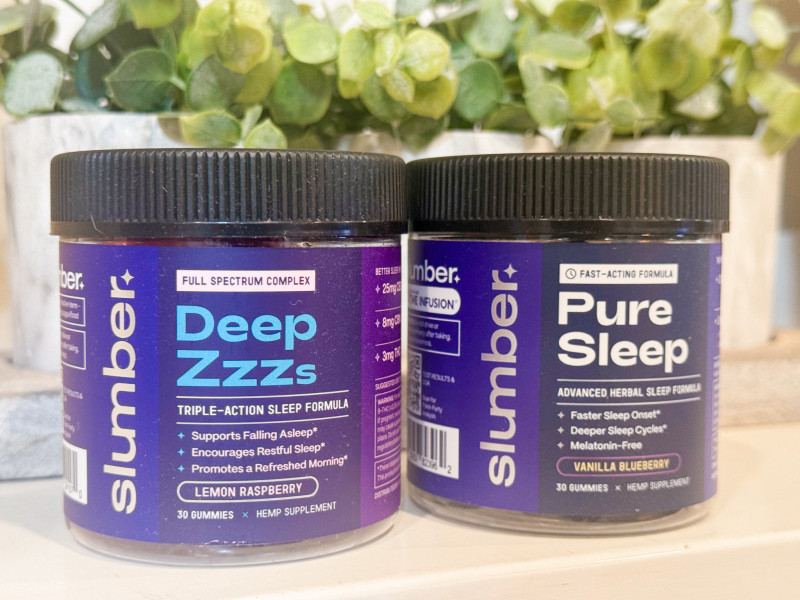
The wellness industry is offering hundreds of natural sleep aids. Instead of picking any random one, go for only scientifically backed products such as sleep gummies, chamomile tea, and lemon balm capsules. Such natural compounds help you relax before bedtime so you can fall asleep quickly and have uninterrupted sleep hours.
3. Building a Comfortable Sleep Environment
Noise, high temperatures, and external lighting can trigger nighttime awakenings. With an uncomfortable environment, you are unable to remain in deep sleep or complete enough sleep cycles.
Try to create an environment where there is no external noise or lighting. You can have blackout curtains or white noise devices for this. Also, take care of the temperature and proper ventilation to regulate your body temperature during sleep.
4. Practicing Digital detox
Light exposure can directly affect sleep. More light exposure suppresses melatonin production and vice versa. That is why it is recommended to have dim lighting in your bedroom to stimulate its production. However, going to bed while holding a phone can make these efforts ineffective.
Your eyes remain exposed to blue light, signaling to the brain that it is daytime. Try to avoid using any digital device at least one hour before bedtime. Also, gradually reduce your screen time in the evening to help your alert mind transition smoothly into sleep mode.
5. Taking Care of Caffeine Intake
Caffeine helps you stay alert and boost productivity. This is why you tend to consume coffee frequently during the day. However, the same caffeinated beverages can start hindering your sleep quality. If taken in the evening, your mind stays alert, so you are unable to fall asleep. This is because your body remains under the effects of caffeine for 4 to 6 hours. So, it is better to have it early in the morning or in the afternoon. Also, limit its consumption if you are already facing sleep deprivation.
Bottom Line
Quality sleep is about more than spending eight hours in bed; you also need to consider nighttime awakenings, sleep latency, and similar factors. Once you identify poor sleep quality, try natural strategies such as keeping a consistent sleep schedule, creating a comfortable sleep
environment, and limiting screen time and caffeine intake. Such healthy habits can support deeper, more restorative sleep for overall well-being. However, in certain conditions, you may need medication alongside these approaches. Consult your healthcare provider if you don't see improvement after trying these natural methods.

Related Posts:






Hi there! I am Emily Evert, the owner of Emily Reviews. I am 28 and live in a small town in Michigan with my boyfriend Ryan and our two pugs. I have a large family and I adore my nieces and nephews. I love reading memoirs, and learning about child development and psychology. I love watching The Game of Thrones, Teen Mom, Sister Wives and Veep. I like listening to Jason Isbell, John Prine, and other alt-country or Americana music. I created Emily Reviews as a creative outlet to share my life and the products that I love with others.
This post currently has no responses.




Leave a Reply