
This is a sponsored guest post.
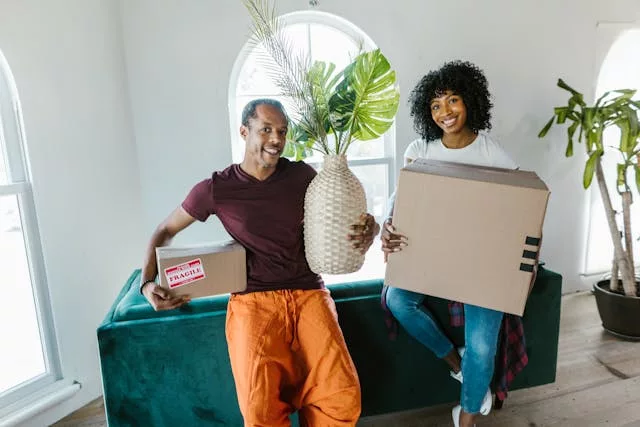
Image source: Pexels
A second home rarely begins as a blank slate. Past choices leave marks, from awkward layouts to rushed design decisions that never quite worked. Many homeowners reach a point where they want to correct those missteps and shape a space that finally aligns with daily life.
In places like St. Charles, where neighborhoods blend historic charm with modern growth, that desire often grows stronger after a move. People notice what felt inconvenient in the last house and carry those lessons forward. The “Second Chance Home” becomes more than a
project. It becomes a thoughtful reset that turns experience into better living.
1. Understanding What Went Wrong
Every improved home begins with honest reflection. Previous spaces reveal patterns that did not support daily routines. A cramped kitchen, poor lighting, or lack of storage often caused friction over time. Identifying those issues requires attention to detail and clear thinking.
Homeowners should write down frustrations and revisit them during planning. This process prevents repetition of the same mistakes. Instead of focusing on trends, attention should shift toward function. A second attempt allows people to align design with real habits. Clarity leads to better decisions, and those decisions shape a home that feels practical, comfortable, and
lasting.
2. Learning From the Move Itself
Relocation often highlights what truly matters in a home. In St. Charles, moving between neighborhoods can reveal differences in layout preferences, space usage, and lifestyle needs. A reliable St. Charles moving company often hears these concerns during transitions,
as clients discuss what they wish had worked better before. Those conversations hold valuable insights. Packing and unpacking expose unnecessary items, inefficient storage, and poor organization. This moment offers a chance to reset priorities. People should use the
move as a filter, keeping only what adds value. That clarity helps shape a new home that supports comfort and efficiency.
3. Designing With Daily Life in Mind
A successful second home reflects real routines, not idealized ones. Morning habits, work schedules, and family interactions should guide every design choice. Open spaces may look appealing, but they must support noise control and privacy. Kitchens should allow easy
movement, while living areas should encourage connection without clutter. Storage should match actual usage patterns instead of assumptions. This approach creates harmony between design and lifestyle. When each room serves a clear purpose, the home feels
intuitive. Thoughtful planning reduces stress and increases comfort. Function becomes the foundation of beauty, rather than an afterthought.
4. Fixing Layout Mistakes
Poor layout often causes long-term frustration. Tight hallways, disconnected rooms, and awkward transitions can disrupt flow. A second chance offers the opportunity to correct these structural issues. Removing unnecessary walls or redefining room boundaries can transform
how a home feels. Designers should focus on movement, ensuring each space connects naturally. Furniture placement should support, not restrict, daily activities. Clear pathways improve accessibility and comfort. Small adjustments can make a large impact. A well-planned layout allows each area to serve its purpose without conflict. This improvement creates a home that feels balanced and easy to navigate.
5. Prioritizing Storage Solutions
Storage often determines whether a home feels organized or chaotic. Many first homes lack adequate space for everyday items. A second attempt should address that gap directly. Built-in cabinets, multi-purpose furniture, and hidden compartments can maximize efficiency.
Storage should exist where items naturally belong, not in distant or inconvenient areas. This placement reduces clutter and saves time. Thoughtful solutions can keep surfaces clean and functional. Homeowners should consider long-term needs as well, including seasonal items and future changes. Smart storage design supports a calm environment and helps maintain order without constant effort.
6. Improving Lighting and Atmosphere
Lighting shapes how a home feels and functions. Poor lighting can make even well-designed spaces feel uncomfortable. A second chance allows for layered lighting that adapts to different needs. Natural light should take priority, with windows positioned to maximize
brightness. Artificial lighting should include ambient, task, and accent options. Each layer serves a specific purpose and enhances usability. Warm tones can create a welcoming atmosphere, while focused lighting improves productivity. Attention to lighting design elevates every room. A well-lit home feels more spacious, inviting, and practical for everyday living.
7. Choosing Materials That Last
Material choices influence both durability and maintenance. Many first homes include selections based on appearance alone, which can lead to wear and frustration. A second home should prioritize quality and longevity. Flooring, countertops, and fixtures should
withstand daily use without constant upkeep. Durable materials can reduce long-term costs and effort. At the same time, aesthetics should still reflect personal style. The goal involves balancing beauty with resilience. Careful selection ensures that each element supports both
function and design. This approach creates a home that remains appealing and reliable over time.
8. Creating Flexible Spaces
Modern living often requires adaptability. A rigid home design can limit how spaces evolve over time. A second chance allows homeowners to introduce flexibility. Rooms can serve multiple purposes, such as a home office that converts into a guest room. Furniture can adapt
to changing needs, and layouts can support different activities. This flexibility helps the home remain relevant as life changes. Planning for versatility reduces the need for future renovations. A dynamic space supports growth, whether personal or professional. Flexibility
ensures that the home continues to meet needs without constant redesign.
9. Integrating Technology Thoughtfully
Technology can improve convenience when used wisely. Many first homes include scattered or poorly integrated systems. A second attempt should focus on seamless integration. Smart lighting, climate control, and security systems should work together without complexity.
Placement of outlets, charging stations, and network connections should match daily habits. This planning prevents clutter and improves efficiency. Technology should enhance comfort, not overwhelm it. A balanced approach ensures that modern features support the home
without dominating it. Thoughtful integration creates a smoother living experience and keeps the space organized.
A “Second Chance Home” represents more than a redesign. It reflects growth, awareness, and intentional decision-making. Each improvement stems from lessons learned through experience. From layout adjustments to better storage and lighting, every choice contributes to a more functional and comfortable space. The process requires honesty and attention to detail, but the results justify the effort. A thoughtfully redesigned home supports daily life with ease and clarity. It eliminates past frustrations and replaces them with purpose. In the end, a second chance offers something rare: the opportunity to build a home that truly works.

Related Posts:


Hi there! I am Emily Evert, the owner of Emily Reviews. I am 28 and live in a small town in Michigan with my boyfriend Ryan and our two pugs. I have a large family and I adore my nieces and nephews. I love reading memoirs, and learning about child development and psychology. I love watching The Game of Thrones, Teen Mom, Sister Wives and Veep. I like listening to Jason Isbell, John Prine, and other alt-country or Americana music. I created Emily Reviews as a creative outlet to share my life and the products that I love with others.
This post currently has no responses.




Leave a Reply