Is keeping a green lawn really supposed to feel like a part-time job? Most homeowners have wondered that at some point, especially as water costs rise and weekends fill up with everything but yard work. The good news is that a healthy lawn does not require constant effort or expensive routines. With a few smart habits and a better understanding of how grass actually grows, you can keep things lush without
turning your yard into a second career.
Rethinking What “Perfect” Looks Like
The idea of a flawless lawn has deep roots in American suburbia, but it is starting to shift. As more people focus on sustainability and rising utility bills, the goal is no longer perfection but resilience. A slightly varied lawn that stays green through changing weather is far more practical than one that demands constant attention.
Instead of chasing magazine-level uniformity, focus on overall health. Grass that grows steadily, resists weeds, and stays mostly green is already doing its job. This mindset reduces stress and makes every maintenance step feel more manageable.
Water Smarter, Not More Often
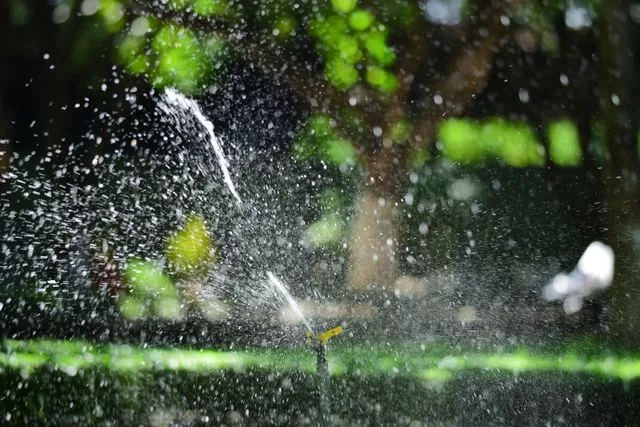
Watering habits make or break a lawn, yet many people still rely on guesswork. Deep, infrequent watering encourages roots to grow stronger, which helps grass survive heat waves and dry spells that are becoming more common across the U.S.
Many homeowners now look into sprinkler system installation to automate this process, especially as smart home technology expands into outdoor spaces. Systems with timers and sensors adjust based on weather, preventing overwatering while saving time. If automation is not an option, watering early in the morning twice a week often delivers better results than daily light watering.
Let Grass Grow a Little Longer
Short grass might look tidy, but it creates more work over time. Taller blades shade the soil, helping retain moisture and reduce weed growth. This simple adjustment cuts down on watering needs and limits how often you need to mow.
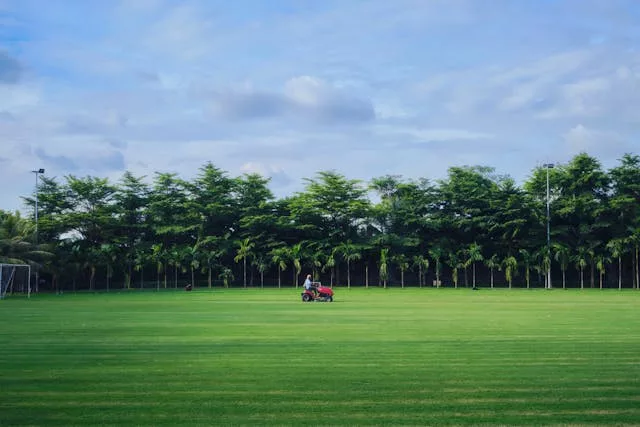
Set your mower blade to about three inches and resist the urge to cut too frequently. During hotter months, letting grass grow slightly longer acts like a natural defense system. It may not match the golf- course look, but it supports a healthier lawn with far less effort.
Feed Your Lawn at the Right Time
Fertilizing does not need to be complicated, but timing matters more than most people realize. Applying fertilizer in early spring and early fall gives grass the nutrients it needs when growth is strongest.
Overfeeding can actually harm your lawn and waste money. Use a slow-release fertilizer and follow the instructions carefully. With more people paying attention to environmental impact, many are switching to organic options that improve soil health without harsh chemicals.
This approach supports long-term growth instead of quick, short-lived results.
Work With Your Soil, Not Against It
Healthy soil is the quiet hero of any green lawn. Compacted or nutrient-poor soil makes grass struggle, no matter how much you water or fertilize. Aerating your lawn once a year allows air, water, and nutrients to reach the roots more easily.
You do not need expensive equipment to improve soil quality. Adding compost or leaving grass clippings after mowing can gradually enrich the ground. These small steps build a stronger foundation, reducing the need for constant intervention.
Keep Weeds in Check Early
Weeds are easier to prevent than to remove, and early action saves time later. A thick, healthy lawn naturally crowds out most unwanted plants, which is another reason to focus on overall grass health. If weeds do appear, spot-treat them instead of applying chemicals across the entire lawn. This targeted approach aligns with a broader trend toward reducing chemical use at home. It also keeps maintenance simple and avoids unnecessary work.
Mow With Purpose, Not Habit
Mowing is often treated as a weekly chore, but it does not have to follow a strict schedule. Grass grows at different rates depending on weather and season, so adjusting your routine can save time and effort. A good rule is to never cut more than one-third of the grass height at once. This keeps plants healthy and reduces stress. Keeping mower blades sharp also makes a noticeable difference, as clean cuts help grass recover faster and stay greener.
Use Technology to Lighten the Load
Smart tools are changing how people care for their lawns, much like they have transformed indoor living. Robotic mowers, weather-based irrigation systems, and soil sensors take much of the guesswork out of maintenance.
These tools reflect a broader shift toward efficiency and convenience in everyday life. While they require some upfront cost, they often reduce long-term effort and expenses. For busy households, this balance can make maintaining a green lawn feel almost effortless.
A green lawn no longer needs to come at the cost of your time or patience. By focusing on smarter habits, working with natural conditions, and embracing a more practical standard, you can achieve results that look good and feel sustainable.
Hi there! I am Emily Evert, the owner of Emily Reviews. I am 28 and live in a small town in Michigan with my boyfriend Ryan and our two pugs. I have a large family and I adore my nieces and nephews. I love reading memoirs, and learning about child development and psychology. I love watching The Game of Thrones, Teen Mom, Sister Wives and Veep. I like listening to Jason Isbell, John Prine, and other alt-country or Americana music. I created Emily Reviews as a creative outlet to share my life and the products that I love with others.








Leave a Reply