Why Roberto Coin Jewelry Remains a Favorite Among Luxury Fashion Enthusiasts
Jewelry trends may change from season to season, but certain luxury designers consistently remain relevant because of their ability to balance timeless craftsmanship with modern style. In today’s fashion landscape, consumers are increasingly looking for pieces that feel personal, versatile, and sophisticated rather than overly trend-driven.
Among the luxury brands frequently associated with refined Italian craftsmanship, roberto coin jewelry continues to attract attention from fashion enthusiasts who appreciate elegant design and wearable luxury.
As modern wardrobes evolve toward minimalist styling and intentional purchasing, fine jewelry has become more important than ever as a tool for self-expression. Instead of buying large collections of accessories that quickly fall out of fashion, many consumers now prefer a smaller number of high-quality pieces that can be styled across multiple occasions.
This shift has helped timeless luxury jewelry maintain strong appeal across generations.
The Evolution of Luxury Jewelry
For decades, luxury jewelry was primarily associated with formal events and milestone celebrations. Diamond necklaces, gold bracelets, and gemstone rings were often reserved for weddings, anniversaries, or black-tie occasions.
Today, however, jewelry has become deeply integrated into everyday fashion.
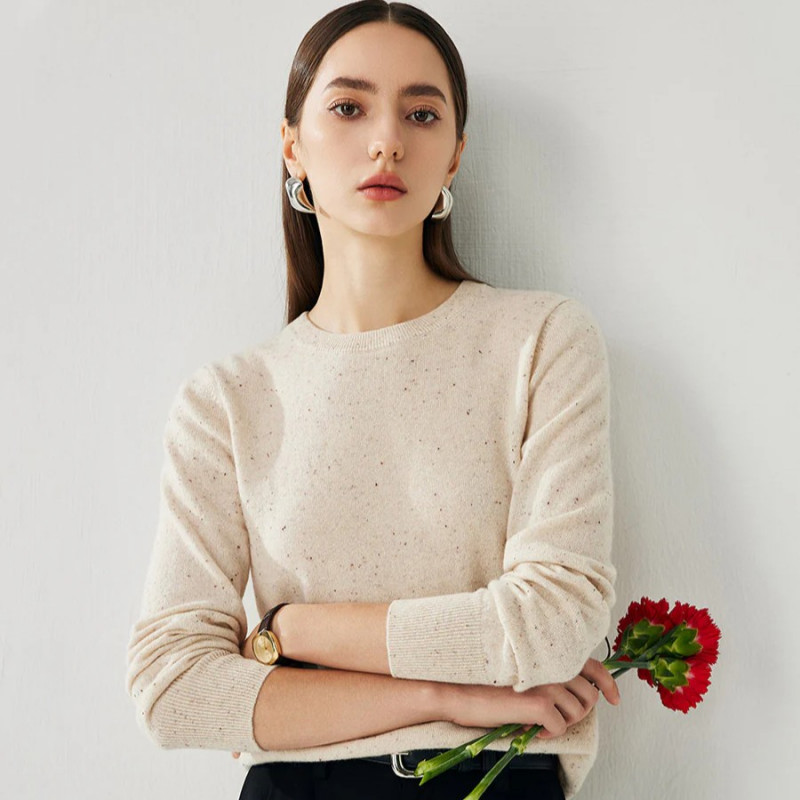
Fashion influencers, stylists, and luxury editors regularly incorporate fine jewelry into casual looks, office outfits, and minimalist wardrobes. Layered necklaces, stackable rings, and elegant bracelets are now styled alongside knitwear, denim, oversized blazers, and even athleisure-inspired fashion.
This transformation reflects broader changes in consumer behavior. Buyers are increasingly interested in versatility and longevity rather than purely occasion-based purchases.
Jewelry that can transition seamlessly between daytime and evening wear is now especially valuable.
Italian Craftsmanship Still Defines Luxury
Italy has maintained a strong influence on the luxury jewelry industry for generations. Italian designers are known for combining artistic heritage with technical precision, producing pieces that emphasize elegance, movement, and detail.
Many consumers associate Italian jewelry with warmth and wearability. Unlike designs that feel rigid or excessively formal, Italian-inspired collections often focus on fluid lines and balanced proportions.
This approach creates jewelry that feels luxurious without becoming difficult to style.
Roberto Coin’s collections are frequently recognized for embodying this philosophy. The designs often incorporate sculptural details and refined textures while remaining sophisticated enough for everyday wear.
Fashion editors continue highlighting Italian jewelry because it successfully merges traditional craftsmanship with contemporary aesthetics.
Why Consumers Are Choosing Timeless Pieces
One of the biggest changes within modern fashion is the move away from fast consumption.
Consumers are becoming more selective about their purchases, especially in the luxury segment. Instead of constantly replacing accessories with each seasonal trend, many buyers now seek pieces capable of remaining relevant for years.
Fine jewelry naturally fits into this more intentional approach to shopping.
Timeless pieces provide both emotional and practical value. They can become signature accessories worn daily, passed down through generations, or connected to meaningful milestones and memories.
This emotional dimension separates luxury jewelry from many other fashion categories.
When consumers invest in fine jewelry, they often prioritize craftsmanship, durability, and versatility over short-term trends.
Jewelry and Personal Style
Modern fashion increasingly emphasizes individuality.
Rather than following strict trend rules, consumers are mixing styles, metals, textures, and silhouettes to create wardrobes that reflect personal taste.
Jewelry plays an especially important role within this movement because accessories often become part of a person’s long-term visual identity.
Many people wear the same necklace, bracelet, or ring every day, allowing those pieces to develop sentimental significance over time.
This emotional connection has contributed to growing interest in understated luxury jewelry — pieces that feel elegant and distinctive without relying on visible logos or excessive branding.
Subtle sophistication continues to dominate luxury fashion conversations, especially among younger consumers seeking authenticity over status signaling.
Layering and Modern Styling Trends
Layering has become one of the defining styling trends within contemporary jewelry fashion.
Rather than wearing a single statement piece, consumers now combine multiple delicate necklaces, stack rings across different fingers, and layer bracelets to create curated personal looks.
This approach allows wearers to express individuality while adapting jewelry to different outfits and occasions.
Designers producing versatile collections naturally benefit from this trend because their pieces can easily integrate into layered styling combinations.
Minimalist luxury aesthetics have also increased demand for jewelry that complements rather than overwhelms an outfit.
Fashion stylists frequently recommend selecting pieces that enhance natural style rather than competing with clothing for attention.
Quiet Luxury and Understated Elegance
The rise of “quiet luxury” has significantly influenced the jewelry industry.
Rather than emphasizing visible branding or oversized statement pieces, quiet luxury focuses on quality materials, refined craftsmanship, and timeless aesthetics.
Consumers embracing this trend often prioritize elegance, discretion, and long-term wearability.
Fine jewelry fits naturally into this aesthetic because it communicates sophistication through design and craftsmanship rather than overt logos.
Designers capable of balancing simplicity with artistic detail continue gaining attention within luxury fashion circles.
Many shoppers now prefer jewelry that feels refined enough for formal settings while remaining subtle enough for everyday wear.
Social Media’s Influence on Jewelry Trends
Social media platforms have transformed how jewelry trends develop and spread across global markets.
Fashion influencers and lifestyle creators regularly showcase layered necklaces, mixed metals, and everyday luxury styling to millions of viewers.
However, unlike fast fashion purchases, luxury jewelry buying decisions remain relatively thoughtful and deliberate.
Consumers often spend time researching craftsmanship, materials, and brand heritage before making significant purchases.
This creates opportunities for editorial content focused on education, styling advice, and luxury craftsmanship.
Readers increasingly seek articles that explain how to style jewelry, evaluate quality, and choose pieces suitable for long-term wear.
Why Versatility Matters More Than Ever
Modern consumers expect luxury products to function across multiple settings and lifestyles.
Jewelry that works equally well with office attire, casual outfits, and eveningwear naturally becomes more valuable to buyers seeking practical sophistication.
Versatile luxury pieces also support capsule wardrobe concepts, where consumers invest in fewer high-quality items rather than constantly rotating trends.
This shift toward intentional purchasing continues shaping the future of luxury fashion.
Jewelry collections emphasizing timeless elegance, balanced design, and adaptability remain especially relevant within this evolving market.
Emotional Value and Meaningful Purchases
Luxury jewelry often carries significance beyond aesthetics alone.
Pieces may commemorate important milestones, celebrate relationships, or become associated with personal achievements and memories.
This emotional value contributes heavily to the enduring appeal of fine jewelry.
Unlike many fashion items, jewelry frequently becomes part of family traditions and long-term personal identity.
Consumers increasingly appreciate products capable of creating these deeper emotional connections.
As a result, jewelry emphasizing artistry, craftsmanship, and timeless design continues performing strongly even as broader fashion trends shift rapidly.
The Future of Fine Jewelry
Industry experts expect demand for timeless luxury jewelry to continue growing in the coming years.
Several major trends are shaping the future of the industry:
Increased focus on quality over quantity
Growth of minimalist luxury aesthetics
Greater appreciation for craftsmanship
Strong demand for versatile styling
Rising interest in emotionally meaningful purchases
Designers capable of combining artistic heritage with modern wearability are likely to remain highly influential within the luxury market.
As fashion continues evolving toward authenticity and intentional consumption, timeless jewelry collections that balance elegance with practicality are expected to maintain enduring appeal among consumers worldwide.
Hi there! I am Emily Evert, the owner of Emily Reviews. I am 28 and live in a small town in Michigan with my boyfriend Ryan and our two pugs. I have a large family and I adore my nieces and nephews. I love reading memoirs, and learning about child development and psychology. I love watching The Game of Thrones, Teen Mom, Sister Wives and Veep. I like listening to Jason Isbell, John Prine, and other alt-country or Americana music. I created Emily Reviews as a creative outlet to share my life and the products that I love with others.








Leave a Reply