What Your Sprinkler System Is Trying to Tell You Before Your Yard Gives Up
Image source: Pexels
If you live in Osprey, you already know your lawn deals with a lot: intense sun, sandy soil, surprise downpours, and long dry stretches that can make healthy grass look tired fast. A sprinkler system should make that easier, not create a whole second maintenance job. When something starts acting off, the early signs usually show up in your yard long before a pipe fully breaks, or a water bill jumps high enough to ruin your mood.
Uneven watering is usually the first red flag
A sprinkler system rarely fails all at once. More often, it starts with one weird patch of grass. Maybe one area looks lush while another seems crunchy and faded. That uneven look often points to clogged nozzles, tilted heads, pressure issues, or a valve that isn’t opening correctly.
You’ll want to walk your yard while the system runs. Check whether each head pops up fully and sprays in the right direction. If one head is watering the sidewalk like it has a personal mission, something needs attention. In coastal Florida communities like Osprey, sand and debris can build up faster than you’d expect, which makes small performance issues pretty common.
Weak spray patterns often point to pressure problems
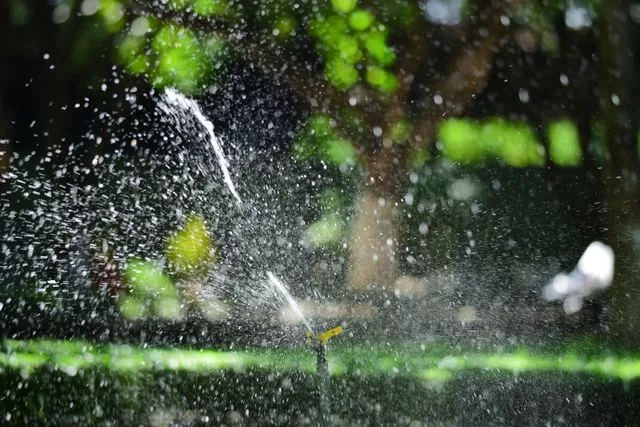
When sprinkler heads produce a sad little dribble instead of a clean arc, the issue may go beyond a dirty nozzle. Low water pressure can come from leaks, crushed pipes, failing valves, or too many zones trying to do too much at once. High pressure can also cause trouble by creating misting, which means water blows away before it reaches the roots.
Your goal is consistent coverage, not a theatrical fog machine over the lawn. If one zone seems noticeably weaker than the others, pay attention. That kind of change usually has a cause you can trace. A professional who handles sprinkler repair in Osprey can usually pinpoint whether the problem sits in the heads, lines, valves, or controller settings.
Soggy spots can mean more than overwatering
A mushy patch in your yard might seem harmless at first, especially after rain. Still, if that spot stays wet when the rest of the lawn dries out, your sprinkler system may have a leak underground. Broken lateral lines, damaged fittings, or valves that won’t shut all the way can send water pooling into one area for days.
That creates more than cosmetic damage. Wet soil invites fungus, weakens roots, and can attract pests that love moisture. It can also waste a surprising amount of water without giving you any obvious dramatic spray or fountain effect. The system just quietly leaks money into the ground, which is not exactly a charming landscaping feature.
A rising water bill is often your yard talking
You don’t need a finance degree to notice when your utility bill starts getting pushy. If your water use climbs but your habits haven’t changed, your irrigation system deserves a closer look. Leaks, stuck valves, overwatering schedules, and malfunctioning rain sensors can all drive up usage.
Many homeowners assume seasonal weather is the whole reason. Weather does affect watering needs, but a sharp increase often means the system is running inefficiently. Compare your recent bill to the same month last year if you can. That gives you a more realistic baseline than comparing July to December. Small irrigation issues can stay hidden for weeks, especially when everything is buried and still technically turning on.
The controller may be working against you
A lot of sprinkler problems don’t start in the yard. They start at the control panel. If your timer is outdated, programmed incorrectly, or recovering from a power outage with the wrong settings, your system can run at the worst times and for the wrong duration. That leads to runoff, dry spots, and unnecessary wear.
Take a minute to review your schedule every few months. In Osprey, watering needs can shift quickly with heat, humidity, and rainfall. If your system waters during or right after a storm, a sensor may be disconnected or failing. Smart controllers and functioning rain shutoff devices can help, but only if they’re set up properly. Automation is helpful. Bad automation is just very efficient chaos.
Seasonal wear hits irrigation hardware harder than you think
Even in a warm climate, sprinkler systems don’t stay perfect year-round. Constant sun exposure can degrade seals and plastic components. Lawn equipment can nick heads or crack fittings. Tree roots can push against buried lines. Soil movement can slowly shift head alignment until coverage gets sloppy.
That wear builds gradually, which makes it easy to ignore. You might not notice one head leaning a little more each month or one zone taking longer to green up. A quick inspection at the start of each major season can catch those changes early. Focus on heads near driveways, garden beds, and lawn edges first. Those are often the spots where damage shows up before the rest of the system starts complaining.
Some fixes are simple, but guessing can get expensive
You can handle a few sprinkler issues on your own, especially if the fix is obvious. Cleaning a nozzle, straightening a tilted head, or replacing a cracked spray body is manageable for many homeowners. The problem comes when you start swapping parts without knowing the actual source of the issue.
A pressure problem can look like a bad head. A valve issue can mimic a leak. A wiring fault can seem like random zone failure. If you guess wrong, you spend time and money while the real problem keeps running in the background. When symptoms overlap or repeat, it usually makes more sense to bring in someone who can diagnose the system as a whole rather than playing irrigation roulette.
Routine checks protect your lawn and your budget
A healthy sprinkler system supports more than green grass. It helps protect landscape plants, keeps watering efficient, and reduces the risk of long-term property issues caused by leaks or runoff. A quick monthly run-through can catch problems before they turn into repairs that feel much less friendly.
Watch each zone run for a few minutes. Look for sputtering heads, pooling water, dry arcs, crooked spray, and overspray onto pavement. Check the controller after storms or outages. If anything seems off and doesn’t resolve with a basic adjustment, schedule help before your lawn starts keeping score. Irrigation problems rarely fix themselves. They usually just get sneakier, pricier, and a lot less subtle with time.
Hi there! I am Emily Evert, the owner of Emily Reviews. I am 28 and live in a small town in Michigan with my boyfriend Ryan and our two pugs. I have a large family and I adore my nieces and nephews. I love reading memoirs, and learning about child development and psychology. I love watching The Game of Thrones, Teen Mom, Sister Wives and Veep. I like listening to Jason Isbell, John Prine, and other alt-country or Americana music. I created Emily Reviews as a creative outlet to share my life and the products that I love with others.







Leave a Reply