Playgrounds are designed to give children a safe place to explore, exercise, and socialize. From climbing structures and swings to slides and interactive play equipment, these spaces help support physical development and encourage creativity. However, when playgrounds are poorly maintained, improperly designed, or inadequately supervised, children can face serious injury risks.
While minor scrapes and bruises are often considered a normal part of childhood play, unsafe playground conditions can lead to much more severe injuries. Understanding the causes of playground accidents can help parents recognize hazards, advocate for safer environments, and respond appropriately when an injury occurs.
Why Playground Safety Matters
Children naturally engage in active play that involves running, climbing, jumping, and balancing. These activities provide valuable developmental benefits, but they also create opportunities for accidents. Safe playground design and maintenance are intended to minimize risks while still allowing children to play freely.
When safety standards are ignored, the likelihood of injury increases. Playground operators, schools, municipalities, and property owners often have responsibilities related to inspecting equipment, addressing hazards, and maintaining safe play environments.
Defective Playground Equipment
One of the most common causes of playground injuries is defective or damaged equipment. Playground structures experience constant use and exposure to weather conditions, which can cause components to wear out over time.
Hazards may include:
● Broken handrails
● Rusted metal parts
● Cracked plastic components
● Loose bolts and fasteners
● Unstable structures
● Sharp edges
Children may not recognize these dangers before an accident occurs. Regular inspections and timely repairs are important for preventing injuries caused by equipment failure.
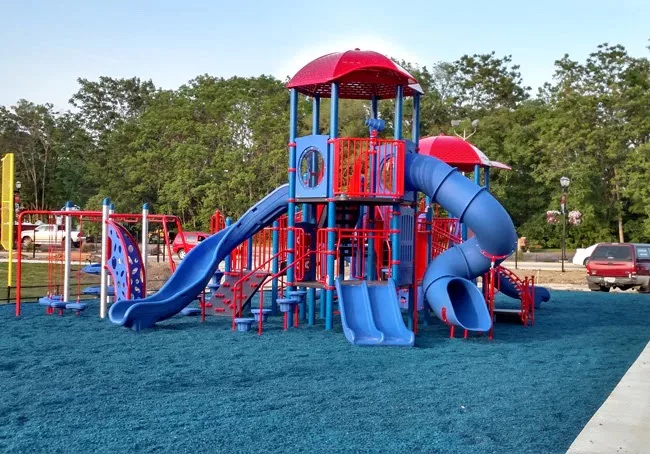
Inadequate Playground Surfacing
Falls are the leading cause of playground injuries. While falls cannot be eliminated entirely, proper playground surfacing can significantly reduce injury severity.
Unsafe surfaces often include:
● Concrete
● Asphalt
● Packed dirt
● Exposed tree roots
Safer alternatives may include engineered wood fiber, rubber mulch, poured-in-place rubber, or specialized impact-absorbing materials.
When protective surfaces deteriorate or are not maintained properly, the risk of fractures, head injuries, and other serious harm increases.
Poor Equipment Design
Some playground injuries occur because equipment is poorly designed or inappropriate for the age group using it.
Examples of design-related hazards include:
● Excessive platform heights
● Inadequate guardrails
● Entrapment hazards
● Insufficient spacing between equipment
● Lack of fall protection features
Younger children may be especially vulnerable when playground equipment is designed primarily for older users. Age-appropriate play areas help reduce these risks.
Lack of Routine Maintenance
Even well-designed playgrounds can become dangerous if maintenance is neglected. Exposure to weather, heavy use, and environmental conditions can gradually create hazards.
Common maintenance issues include:
● Splintered wood
● Corroded metal
● Worn safety surfaces
● Damaged swing chains
● Standing water
● Broken steps or ladders
Routine inspections allow property owners and schools to identify and address problems before injuries occur.
Inadequate Supervision
Adult supervision remains one of the most effective ways to reduce playground injuries. Supervisors can identify dangerous behavior, intervene when conflicts arise, and respond quickly when accidents occur.
Lack of supervision may contribute to:
● Unsafe climbing
● Rough play
● Equipment misuse
● Running in crowded areas
● Access to restricted equipment
Although supervision cannot prevent every accident, attentive adults can often reduce the likelihood of serious injuries.
Weather-Related Hazards
Weather conditions can create playground dangers that are not immediately obvious. Playground equipment exposed to extreme temperatures may become unsafe to touch, while rain can create slippery surfaces.
Examples include:
● Wet platforms and stairs
● Ice accumulation
● Excessively hot metal surfaces
● Reduced traction on climbing equipment
Parents and supervisors should assess conditions before allowing children to use playground equipment following severe weather or temperature extremes.
Crowded Play Areas
Playgrounds can become particularly busy during school recess, community events, and weekends. Large numbers of children using equipment simultaneously can increase accident risks.
Crowding may lead to:
● Collisions between children
● Falls from equipment
● Difficulty supervising activities
● Unsafe behavior due to limited space
Proper playground design often includes adequate spacing between structures and sufficient room for children to move safely.
Unsafe Behavior and Equipment Misuse
Even safe playground equipment can become dangerous when used improperly. Children may engage in risky behavior without fully understanding the consequences.
Examples include:
● Standing on swings
● Jumping from elevated platforms
● Climbing outside designated areas
● Pushing other children on equipment
● Using equipment intended for older age groups
Teaching playground safety rules can help reduce many preventable injuries.
Common Injuries Associated With Unsafe Playgrounds
When playground hazards are present, children may suffer a variety of injuries ranging from minor to severe.
Frequently reported injuries include:
● Broken bones
● Concussions
● Head injuries
● Sprains and strains
● Cuts and lacerations
● Dental injuries
● Neck and spinal injuries
Many of these injuries result from falls, but equipment failures and collisions can also contribute. Parents seeking information about injuries caused by unsafe playground conditions often discover that maintenance issues and inadequate safety measures are recurring factors in serious accidents.
What Parents Should Do After a Playground Injury
When a child is injured, immediate medical evaluation should be the first priority. Even injuries that initially appear minor can become more serious over time.
Parents may also consider:
● Taking photographs of the equipment and surrounding area
● Documenting visible injuries
● Requesting incident reports
● Obtaining witness information
● Keeping medical records and treatment documentation
Preserving information early can help establish how the accident occurred and whether hazardous conditions contributed to the injury.
School and Public Playground Responsibilities
Schools, parks, and recreational facilities often have responsibilities related to maintaining safe environments for children. While no playground can eliminate all risks, reasonable safety measures are expected.
These responsibilities may include:
● Routine inspections
● Prompt repairs
● Adequate supervision
● Compliance with safety standards
● Maintaining protective surfacing
Failure to address known hazards can increase the likelihood of preventable injuries.
Understanding Legal Concerns
Not every playground injury results from negligence. Children sometimes fall or get hurt despite reasonable precautions. However, when injuries occur because of dangerous conditions, defective equipment, or failures to maintain safe facilities, additional questions may arise.
Parents dealing with serious playground injuries sometimes consult a New York playground accident lawyer to better understand whether unsafe conditions contributed to the accident and what options may be available.
The Law Office of Michael H. Joseph, PLLC is one example of a firm that handles injury-related matters involving serious accidents and liability concerns.
Creating Safer Play Environments for Children
Playgrounds remain an important part of childhood, providing opportunities for physical activity, social development, and outdoor recreation. Most playground visits occur without serious incidents, but unsafe conditions can quickly turn a fun activity into a traumatic experience. By understanding common hazards, recognizing warning signs, and encouraging proper maintenance and supervision, parents and communities can help create safer play environments where children can enjoy the benefits of outdoor recreation while reducing the risk of preventable injuries.
Hi there! I am Emily Evert, the owner of Emily Reviews. I am 28 and live in a small town in Michigan with my boyfriend Ryan and our two pugs. I have a large family and I adore my nieces and nephews. I love reading memoirs, and learning about child development and psychology. I love watching The Game of Thrones, Teen Mom, Sister Wives and Veep. I like listening to Jason Isbell, John Prine, and other alt-country or Americana music. I created Emily Reviews as a creative outlet to share my life and the products that I love with others.







Leave a Reply