What Should Parents Know About Child Injuries in School Playgrounds
School playgrounds are an important part of childhood. They provide opportunities for physical activity, social interaction, problem-solving, and imaginative play. From climbing structures and swings to slides and monkey bars, playgrounds encourage children to develop strength, coordination, and confidence. However, even well-designed playgrounds carry some risk of injury.
While many playground injuries are minor, others can result in broken bones, concussions, spinal injuries, or other serious medical issues. For parents, understanding common playground hazards, school responsibilities, and the steps to take after an injury can help protect children and ensure they receive appropriate care when accidents occur.
Why Playground Injuries Are So Common
Children are naturally curious and active. Running, climbing, jumping, and exploring are all normal parts of play, but they also increase the likelihood of falls and collisions.
Playground injuries frequently occur because of:
● Falls from equipment
● Improper supervision
● Equipment defects
● Unsafe playground surfaces
● Crowded play areas
● Age-inappropriate equipment
According to safety organizations, falls account for the majority of serious playground injuries. Even when equipment appears safe, factors such as wet surfaces, loose hardware, or worn protective materials can increase risks.
Common Playground Injuries
The severity of a playground injury often depends on the child’s age, the type of equipment involved, and how the accident occurred.
Some of the most common injuries include:
Fractures and Broken Bones
Falls from climbing equipment, monkey bars, and slides frequently result in fractures. Arm and wrist fractures are especially common because children instinctively use their hands to break a fall.
Head Injuries and Concussions
A child who strikes their head on equipment, the ground, or another child may suffer a concussion or other head injury. Symptoms can include headaches, dizziness, nausea, confusion, or unusual behavior changes.
Cuts and Lacerations
Sharp edges, broken equipment, exposed metal, or damaged surfaces may cause cuts that require medical treatment.Sprains and Strains
Twisting injuries often occur when children land awkwardly after jumping or falling. While these
injuries may seem minor initially, some require ongoing treatment or physical therapy.
Dental and Facial Injuries
Collisions involving swings, climbing equipment, or other children can result in chipped teeth, facial fractures, or injuries requiring reconstructive treatment.
The Importance of Playground Maintenance
Schools have a responsibility to provide reasonably safe environments for students. Regular inspection and maintenance play a significant role in reducing injury risks.
Proper maintenance includes:
● Inspecting equipment for damage
● Repairing broken components promptly
● Ensuring protective surfaces remain intact
● Removing hazards such as exposed bolts or sharp edges
● Addressing drainage issues that create slippery conditions
When maintenance is neglected, the likelihood of preventable injuries can increase significantly.
Why Playground Surfaces Matter
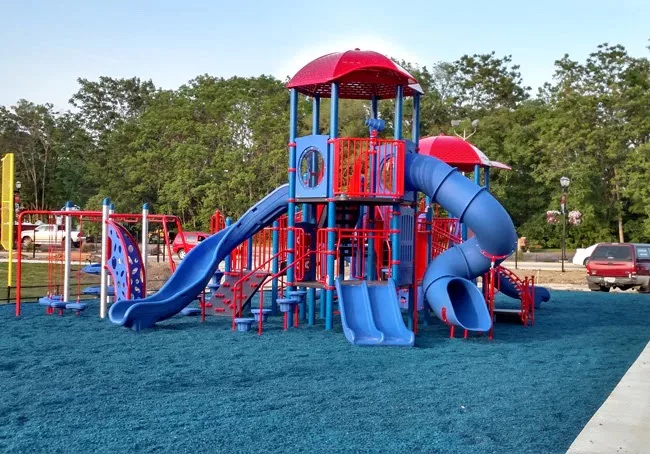
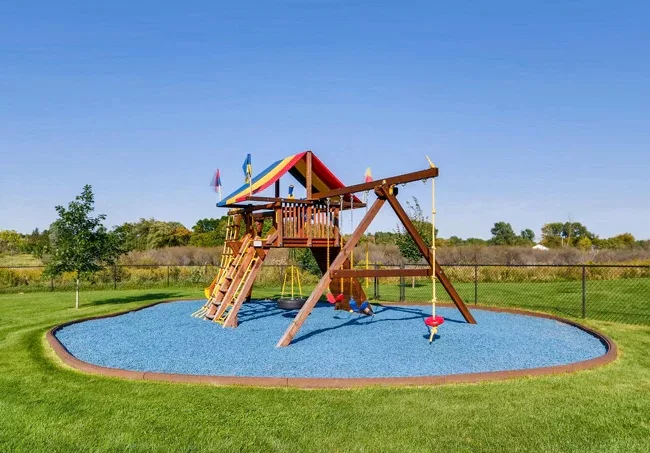
The surface beneath playground equipment is often just as important as the equipment itself. Falls are inevitable during childhood play, but appropriate surfacing can reduce injury severity.
Safer surfaces often include:
● Engineered wood fiber
● Rubber mulch
● Poured-in-place rubber
● Specialized safety mats
Hard surfaces such as asphalt, concrete, or packed dirt provide little impact absorption and can contribute to more serious injuries.
Parents may want to ask schools about playground inspection schedules and surface maintenance practices if safety concerns arise.
School Supervision Plays a Critical Role
Adult supervision helps identify dangerous behavior before accidents occur. Teachers, aides, and playground monitors often play an important role in maintaining order and responding quickly when injuries happen.
Effective supervision may include:
● Monitoring high-risk equipment
● Enforcing playground rules
● Separating age groups when appropriate
● Responding to hazardous behavior
● Addressing unsafe conditions promptly
While constant supervision cannot prevent every injury, attentive oversight can reduce many avoidable accidents.
What Parents Should Do After a Playground Injury
When a child is injured on a school playground, parents should focus first on medical evaluation and documentation.
Important steps may include:
Seek Medical Attention
Even injuries that appear minor can become more serious over time. Head injuries, fractures, and internal injuries may not always be immediately obvious.
Request an Incident Report
Schools often document accidents through formal reports. Parents should request copies of any reports describing how the incident occurred.
Take Photographs
Photographs of injuries, playground equipment, and surrounding conditions may help preserve important information regarding the accident.
Keep Medical Records
Treatment records, diagnostic imaging, physician notes, and medical bills can provide valuable documentation if questions arise later.
When School Liability May Become an Issue
Not every playground injury results from negligence. Children sometimes get hurt despite reasonable supervision and properly maintained equipment. However, certain circumstances may raise questions about whether preventable hazards contributed to the injury.
Examples may include:
● Broken playground equipment
● Known hazards that were not repaired
● Inadequate maintenance
● Dangerous surface conditions
● Failure to address repeated safety complaints
In these situations, parents may seek additional information regarding how the accident occurred and whether appropriate safety procedures were followed.
Understanding Insurance Issues
Many schools, municipalities, and educational institutions maintain insurance coverage designed to address injury claims. However, the process can become complicated when determining how coverage applies to specific circumstances.
Questions regarding medical expenses, liability, and playground injury insurance claims may arise when injuries are severe or involve allegations of negligence. Insurance investigations often focus on maintenance records, supervision practices, witness statements, and the specific conditions that existed at the time of the accident.
Long-Term Effects of Serious Playground Injuries
While many children recover quickly from playground accidents, some injuries have lasting consequences. Traumatic brain injuries, spinal injuries, severe fractures, and growth plate injuries may affect a child’s development, education, and future activities.
Long-term concerns can include:
● Ongoing medical treatment
● Physical therapy
● Academic challenges
● Emotional distress
● Activity limitations
Parents should monitor their child’s recovery carefully and maintain follow-up appointments when recommended by healthcare providers.
How Schools Can Promote Playground Safety
Schools can take proactive steps to reduce injury risks and create safer recreational environments. Effective safety measures often include:
● Routine equipment inspections
● Staff training programs
● Age-appropriate play zones
● Regular maintenance schedules
● Adequate supervision policies
● Prompt hazard correction
A strong safety culture benefits students, staff, and families alike.
Seeking Guidance After a Serious Playground Injury
When a playground injury results in significant medical expenses or raises concerns about unsafe conditions, parents may wish to better understand their options. Some families consult a Chicago child injury lawyer to evaluate whether negligence contributed to the accident and to understand available legal remedies.
Firms such as Ankin Law, LLC have represented injured individuals and families in matters involving serious child injuries. Understanding legal rights can help families make informed decisions while focusing on their child’s recovery.
Staying Informed Helps Protect Children
Playgrounds remain an important part of childhood development, offering opportunities for exercise, learning, and social growth. Although some injuries are unavoidable, many risks can be reduced through proper maintenance, attentive supervision, and safe playground design.
By understanding common hazards, documenting accidents carefully, and remaining engaged in school safety discussions, parents can play an active role in protecting their children and promoting safer play environments for all students.
Hi there! I am Emily Evert, the owner of Emily Reviews. I am 28 and live in a small town in Michigan with my boyfriend Ryan and our two pugs. I have a large family and I adore my nieces and nephews. I love reading memoirs, and learning about child development and psychology. I love watching The Game of Thrones, Teen Mom, Sister Wives and Veep. I like listening to Jason Isbell, John Prine, and other alt-country or Americana music. I created Emily Reviews as a creative outlet to share my life and the products that I love with others.







Leave a Reply