The Benefits of Outdoor Play in a Screen-Dominated World
There’s a particular state a child comes home in after a good afternoon outdoors — worn out in the best way, a bit muddy, completely present. It used to be the default. In a childhood increasingly routed through screens, it’s become something a lot of parents now have to plan for rather than assume.
The pull of the screen is real and isn’t going anywhere. But the case for getting kids outside has only got stronger, and it’s worth knowing why.
What outdoor play actually does
Outdoor play is one of the rare things that develops a child on almost every front at once. Physically, climbing, running and balancing on uneven ground build strength and coordination in a way that tidy indoor activities rarely match. It’s good for mood and sleep, too — daylight and movement tend to settle children, and play burns off the restlessness that otherwise builds up indoors and comes out sideways.
And it makes them more capable. Left to their own devices outside, kids decide what to do, sort out squabbles, weigh up small risks. That’s where a lot of problem-solving, social confidence and independence quietly gets built — the stuff no screen and few timetabled activities can teach.
The screen-time tug of war
Paediatric advice, including from the American Academy of Pediatrics, has long encouraged families to balance screens with active, outdoor and unstructured play, and to protect the time that screens tend to swallow.
For most parents the problem isn’t believing this — hardly anyone needs convincing — it’s doing it consistently against the easy option of handing over a tablet. Which is why small, repeatable habits beat grand resolutions every time.
Making outside the easy option
Kids drift towards whatever’s easiest and most appealing in the moment. So the trick is to lower the bar to going out and gently raise it on defaulting in: a fixed outdoor slot in the day, simple kit left ready by the door, a friend roped in, and removing the practical things that cut sessions short. A child who’s freezing, overheating, sunburnt or fed up with their clothes comes inside sooner than one who isn’t.
It’s a small point, but a true one — comfortable,weather-ready clothing genuinely buys more time outside. Light, breathable, UPF-protective kit, the sort children’s specialists likemoodytiger focus on, keeps kids comfortable as the weather shifts, which often just means they stay out longer. The gear is never the reason a child goes outside. Discomfort is very often the reason they come back in.
Worth the bit of effort
Outdoor play doesn’t need to be elaborate or scheduled to within an inch of its life. A regular hour at the park, a weekend walk, a garden and some free time will do most of the work. What it does need is protecting — a small, deliberate slot in the week that screens aren’t allowed to quietly fill. In a world built to keep kids’ attention indoors, sending them out is one of the simplest and most effective things a family can do. Keeping them comfortable once they’re there is the easy part — light, breathable, weather-ready kit from specialists like moodytiger, whose select fabrics are bluesign® approved, means one less reason to come back inside early.
Nature, risk, and letting go a little
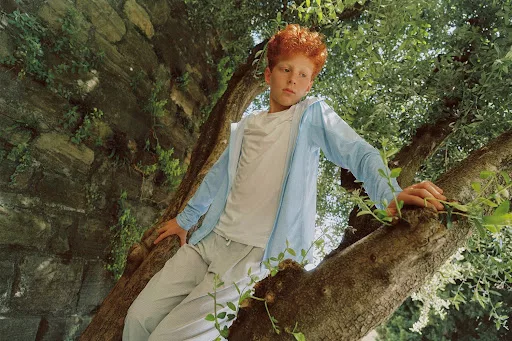
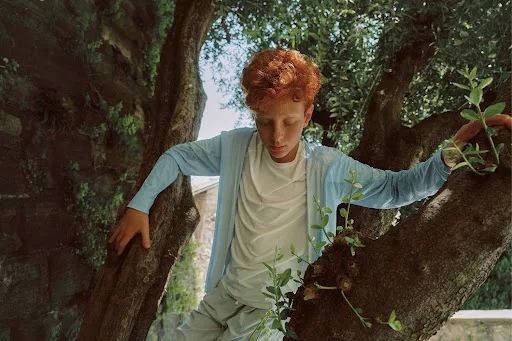
One thing that distinguishes outdoor play from most other childhood activities is that it involves manageable risk — and that’s a feature, not a bug. Climbing a tree, jumping a puddle, exploring a patch of scrub: these are all small exercises in reading a situation, making a decision, and dealing with the result. The scrape from the fall is part of the learning. The slightly too-far jump that works out teaches something that the jump that was perfectly safe never could.
Children who have grown up navigating physical challenges tend to become more confident in other kinds of challenge too. The scrape from the fall is part of the learning. The slightly too-far jump that works out teaches something the perfectly safe jump never could. Removing all risk from childhood play removes something important. The goal isn’t to keep children safe from the outdoors; it’s to keep them safe enough to play in it fully.
Age by age: what outdoor play looks like
The outdoor play that works for a three-year-old and a twelve-year-old looks very different — and the benefits shift accordingly. Toddlers and young children get most of their developmental value from sensory exploration: mud, water, leaves, uneven ground. The messier the better. The learning is happening in their hands and feet and whole bodies.
Primary-school-age children benefit enormously from unstructured outdoor time with other kids — the kind where adults are present but not directing. This is where social skills, negotiation, and creative play develop most naturally. Give them a space, some other children, and a reasonable degree of freedom, and most of them will figure out something worth doing.
Older children and tweens often need a reason to be outside — a sport, a hobby, a destination. The pull of outdoor play competes harder with screens as children get older. Hiking, cycling, team sport: these do the same job as free play did at younger ages, just in a different shape. The point is that some form of outdoor time stays worth protecting all the way through childhood, not just in the early years.
FAQs
Why is outdoor play so important?
It builds strength, coordination and balance, helps mood and sleep, and develops the social and problem-solving skills that come from unstructured, child-led play. Few activities do so much at once.
How much outdoor time should kids get?
There’s no single rule, but the broad advice is to balance screens with daily active and outdoor play. A consistent daily window outside, even a short one, beats the occasional long session.
How can I get my kids outdoors more?
Make it a fixed part of the day, keep simple kit on hand, make it social, and clear away the practical barriers — including uncomfortable or wrong-for-the-weather clothing — that send children back inside early.
Hi there! I am Emily Evert, the owner of Emily Reviews. I am 28 and live in a small town in Michigan with my boyfriend Ryan and our two pugs. I have a large family and I adore my nieces and nephews. I love reading memoirs, and learning about child development and psychology. I love watching The Game of Thrones, Teen Mom, Sister Wives and Veep. I like listening to Jason Isbell, John Prine, and other alt-country or Americana music. I created Emily Reviews as a creative outlet to share my life and the products that I love with others.










Leave a Reply